
Bird Watching in Sri Lanka: Discover Endemic Species and Tropical Avian Diversity
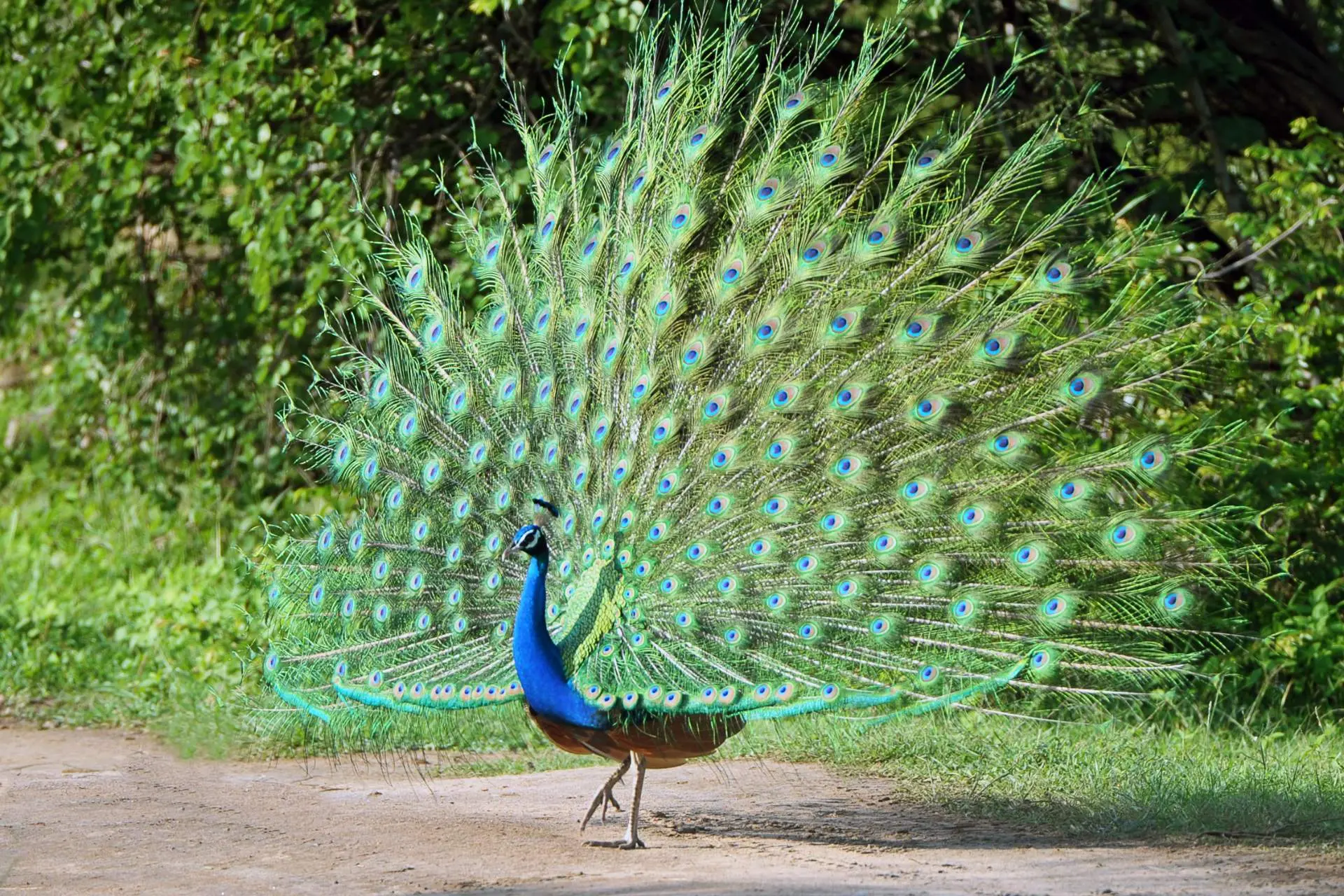
Sri Lanka ranks among the world’s premier bird watching destinations, offering exceptional avian diversity within a compact geographic area. Despite its small size, the island hosts 34 endemic bird species found nowhere else on Earthplus 68 endemic subspecies and over 400 total recorded species including colorful residents and seasonal migrants. The variety of ecosystems from coastal wetlands to montane cloud forests, combined with high endemism and accessible locations, creates paradise conditions for both serious ornithologists and casual bird enthusiasts.
Why Sri Lanka for Bird Watching
The island’s unique biogeography resulted from long isolation from the Indian subcontinent, allowing distinct species evolution. Sri Lankan birds display vivid colors, distinctive calls, and interesting behaviors. Many endemic species inhabit lower elevations in scrub forests and wetlands, making them easier to observe than high-altitude specialists in Himalayan regions. The relatively tolerant nature of Sri Lankan birds allows close observation and photography.
Additionally, Sri Lanka lies on migration routes between Siberia and Southeast Asia. Between August and April, numerous migratory waders, waterfowl, and raptors visit coastal wetlands and tanks (ancient reservoirs), supplementing resident populations and increasing diversity.
Endemic Species – The Holy Grail
Birders visiting Sri Lanka typically prioritize seeing endemic species. Key endemics include:
Sri Lanka Junglefowl (national bird) – ancestor of domestic chickens, males display brilliant plumage with red and yellow combs. Common in forests throughout the island.
Sri Lanka Blue Magpie – stunning ultramarine-blue bird with a long tail, found in wet zone forests and occasionally gardens. Its haunting calls resonate through morning forests.
Red-faced Malkoha – skulking endemic cuckoo with distinctive red facial skin, inhabiting dense understory vegetation.
Ceylon Frogmouth – nocturnal endemic resembling a strange owl-nightjar hybrid, roosting on branches in perfect camouflage during daylight.
Yellow-eared Bulbul – montane endemic restricted to highlands above 1,000 meters, easily observed in gardens around Nuwara Eliya and Horton Plains.
Sri Lanka Grey Hornbill – large endemic hornbill with characteristic casque, common in forests and even urban parks.
Dedicated birding trips can accumulate 20-25 endemics within a week, with comprehensive tours achieving nearly complete endemic coverage.
Best Season for Rafting
Sinharaja Rainforest
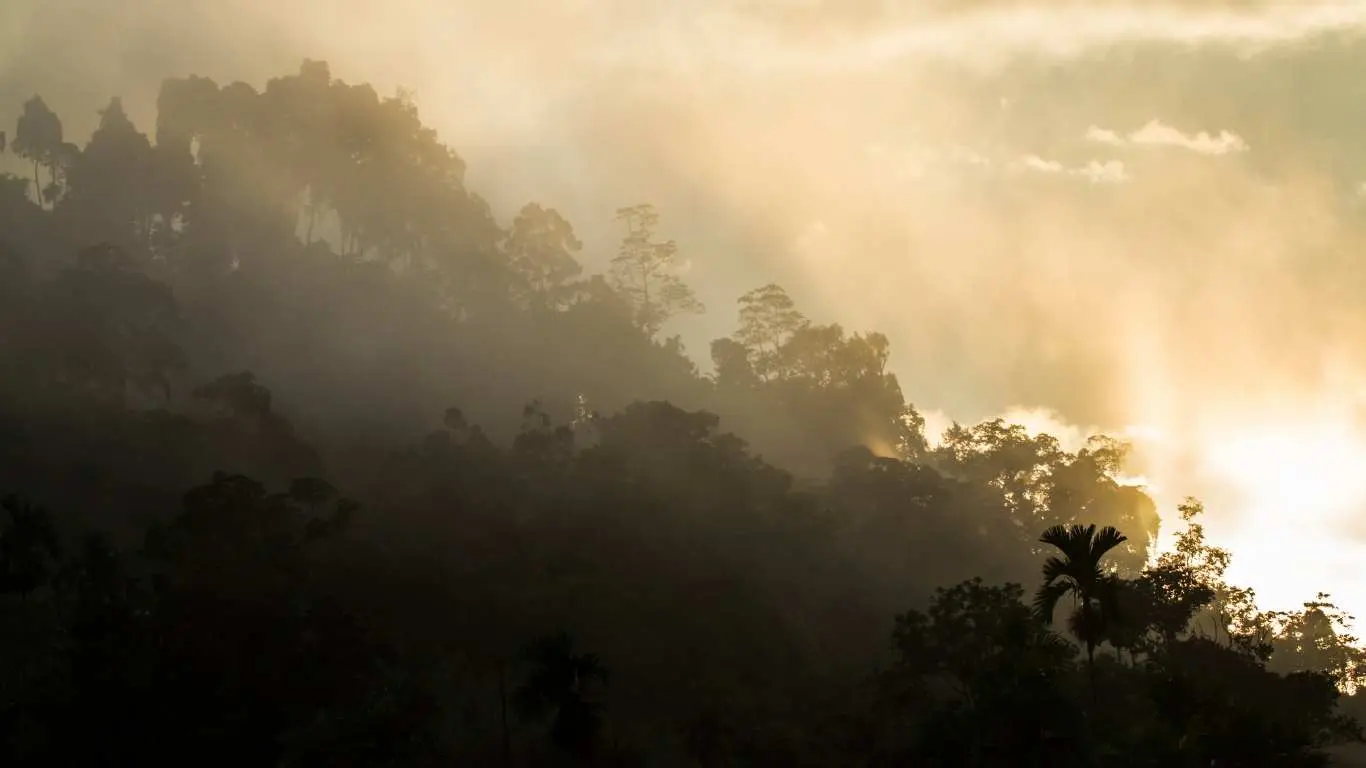
Sinharaja Rainforest, a UNESCO World Heritage Site, offers the highest concentration of endemic species. This pristine lowland rainforest harbors 20+ endemics in dense jungle requiring patient observation. Early morning guided walks maximize sightings as mixed-species flocks move through forest strata. The experience includes endemic birds plus purple-faced langurs, endemic reptiles, and extraordinary insect diversity.
Kitulgala
Kitulgala area provides excellent wet zone birding with easier access than Sinharaja. Rubber plantations, secondary forest, and riverine habitats host numerous endemics. Morning bird walks from guesthouses regularly produce 15+ endemic species. The area’s adventure tourism infrastructure makes it convenient, combining birding with rafting or jungle activities.
Bundala National
Bundala National Park on the southern coast excels for wetland birds, particularly migratory waders and waterfowl. During northern winter (November-March), thousands of migrants crowd coastal lagoons including flamingos, pelicans, painted storks, and dozens of wader species. The park also hosts elephants, crocodiles, and provides excellent general wildlife viewing.
Kumana National Park
Kumana National Park (formerly Yala East) represents another premier wetland birding destination. Seasonal lagoons attract massive concentrations of waterbirds during nesting season (April-July), including rare breeding colonies of painted storks and ibises. The park remains less crowded than Yala, offering peaceful birding combined with elephant and leopard possibilities.
Talangama Wetland and Muthurajawela
Talangama Wetland and Muthurajawela Marsh near Colombo provide surprisingly good birding within urban areas. These convenient locations suit travelers with limited time, producing decent species lists including resident kingfishers, herons, and migrant waders.
Horton Plains National Park
Horton Plains National Park offers montane birding including the endemic yellow-eared bulbul, dusky-blue flycatcher, and Sri Lanka wood pigeon. The open grassland and cloud forest combination creates unique habitat for high-elevation specialists.
Migration Season
Sri Lanka’s position on the Central Asian Flyway brings significant migratory influx. Between October and April, numerous species visit coastal wetlands and inland tanks. Waders include sandpipers, plovers, and stints feeding on mudflats. Waterfowl such as garganey, pintail, and shoveler gather on tanks. Raptors including Brahminy kite, marsh harrier, and various eagles patrol wetlands.
Bird Watching Practicalities
Early mornings (6:00-10:00 AM) produce peak activity as birds feed vocally before heat intensifies. Late afternoons (3:30-6:00 PM) offer secondary activity periods. Binoculars are essential 8×42 or 10×42 specifications suit tropical forest and open country birding. Telephoto camera lenses (300mm+) enable bird photography, though not required for identification.
Hiring specialized bird guides significantly enhances experiences. Guides possess encyclopedic knowledge of bird calls, habitats, and behaviors, locating species quickly while providing identification assistance. Many endemic species appear similar to untrained observers guide expertise prevents misidentification. Licensed bird guides charge $40-60 daily and arrange transport, entry permits, and optimal timing.
Resources
“The Birds of Sri Lanka” by Deepal Warakagoda remains the definitive field guide. The Sri Lanka Bird Club website provides recent sighting records, location information, and checklists. Apps like Merlin Bird ID now include Sri Lankan species with call recordings.
Conservation
Habitat loss threatens some endemic species, particularly lowland wet zone specialists. Responsible bird watching supports conservation by demonstrating economic value of protected areas. Avoid playing bird calls excessively, maintain respectful distances, and support national parks through entrance fees and legitimate guide employment.
Sri Lanka’s avian treasures reward any visitor with eyes turned skyward from casual observers delighting in colorful species to dedicated listers pursuing complete endemic coverage.
Frequently Asked Questions (FAQs)
How many endemic bird species does Sri Lanka have?
Sri Lanka has 34 endemic species found nowhere else on Earth, plus 68 endemic subspecies, making it a top destination for birders seeking rare species.
What is the best place for bird watching in Sri Lanka?
Sinharaja Rainforest offers the most endemics (20+ species). Bundala and Kumana excel for wetland birds. Horton Plains is best for montane species.
When is the best time for bird watching in Sri Lanka?
Year-round birding is excellent. November-April brings migratory species. April-June is breeding season with active behaviors. Early mornings (6-10 AM) are optimal for daily birding.
Do I need a guide for bird watching?
While not mandatory, specialized bird guides greatly enhance experiences through expert knowledge of calls, behaviors, and locations. Guides cost $40-60 daily.
What equipment do I need for bird watching?
Binoculars (8x42 or 10x42) are essential. A field guide ("Birds of Sri Lanka"), notebook, and telephoto camera lens (optional) complete basic equipment.
How many bird species can I see in a week?
Dedicated birding trips typically record 150-200 species including 20-25 endemics in one week, depending on locations visited and season.
Is Sinharaja Forest good for bird watching?
Excellent! Sinharaja offers the highest endemic concentration (20+ species) in pristine rainforest. Early morning guided walks are most productive.
Can I see flamingos in Sri Lanka?
Yes, greater flamingos visit Bundala National Park and northwestern coast lagoons during northern winter (November-March), though numbers vary annually.