
White Water Rafting in Sri Lanka: Thrilling Rapids on Kelani River
White water rafting in Sri Lanka offers adrenaline-pumping adventure through tropical landscapes, combining exciting rapids with stunning natural scenery. The Kelani River, flowing from Sri Lanka’s central highlands to the sea near Colombo, provides the premier rafting experience with rapids ranging from gentle Class II to challenging Class IV, suitable for both beginners seeking excitement and experienced rafters wanting technical challenges. The accessible location, consistent water flow, and professional operators make Sri Lankan rafting an accessible adventure activity.
Kelani River – Prime Rafting Destination
The Kelani River cuts through mountainous terrain, rainforests, and rubber plantations, creating varied rapids, calm pools, and dramatic gorges. The primary rafting section runs from Kitulgala, a small jungle town about 90 kilometers from Colombo, stretching 5-7 kilometers downstream. This section concentrates most of the exciting rapids while remaining accessible for moderately fit participants without previous rafting experience.
Kitulgala gained international fame as a filming location for “The Bridge on the River Kwai” (1957), though the bridge no longer exists. Today, the town thrives as Sri Lanka’s adventure capital, offering rafting, canyoning, and jungle trekking.
What to Expect
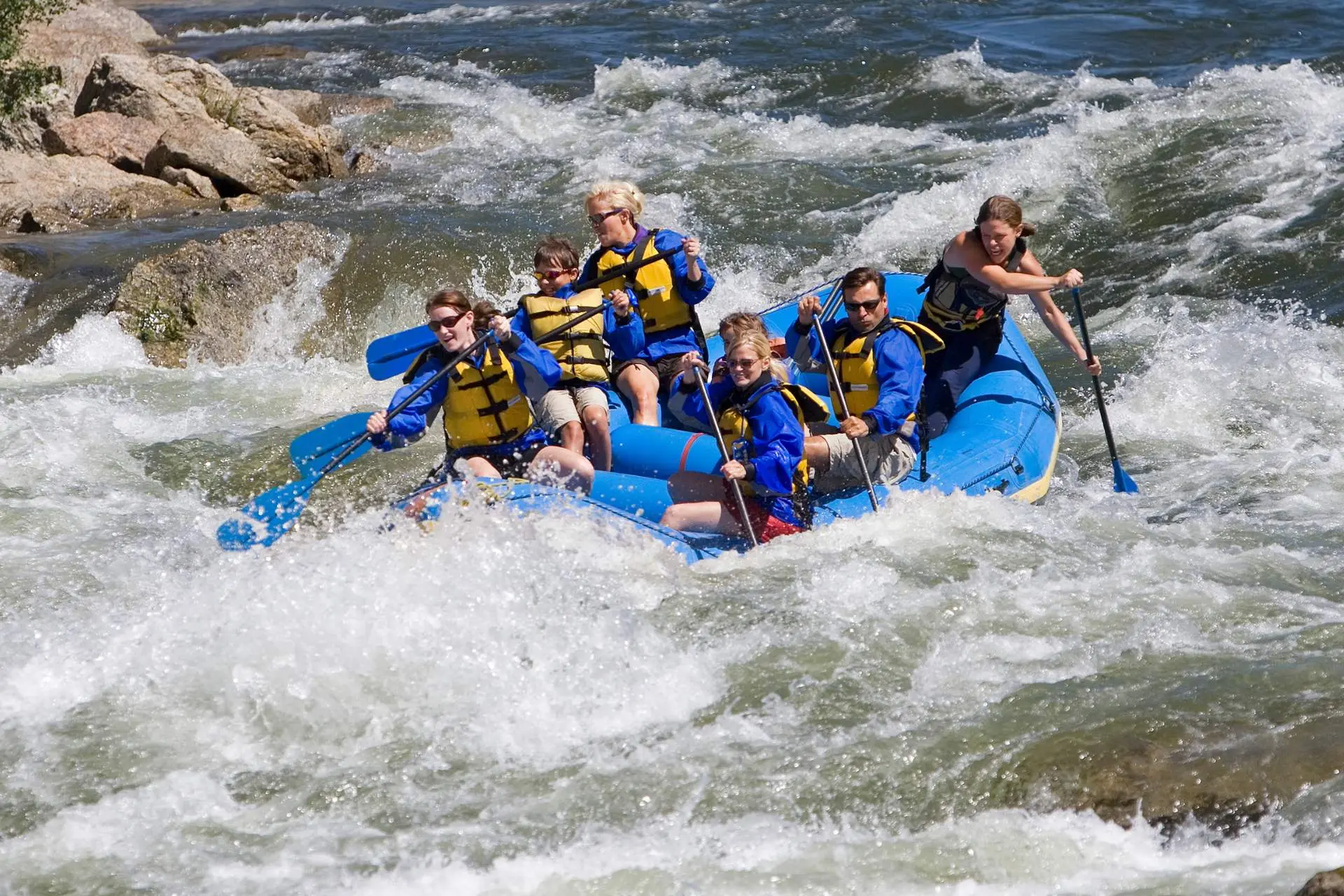
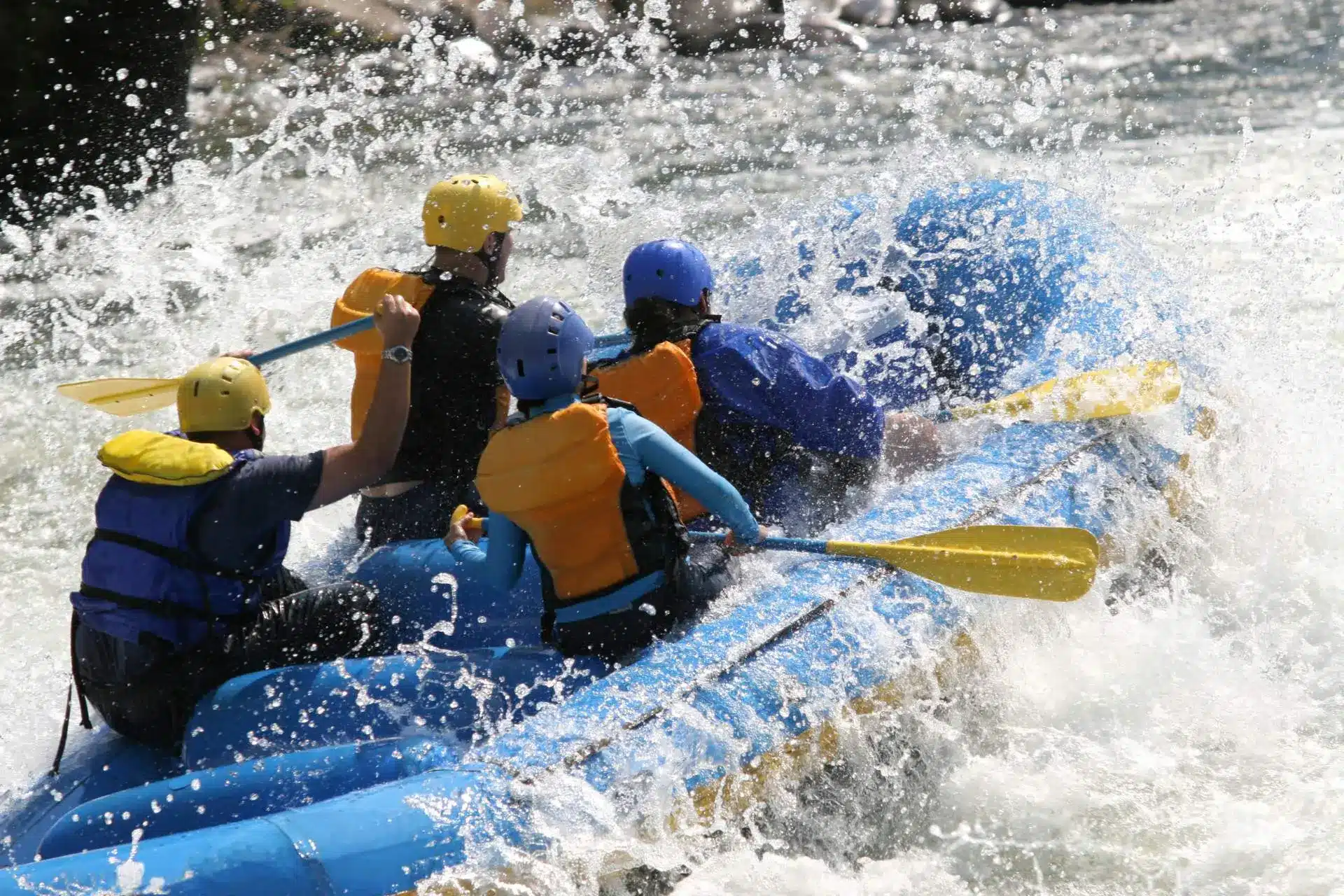
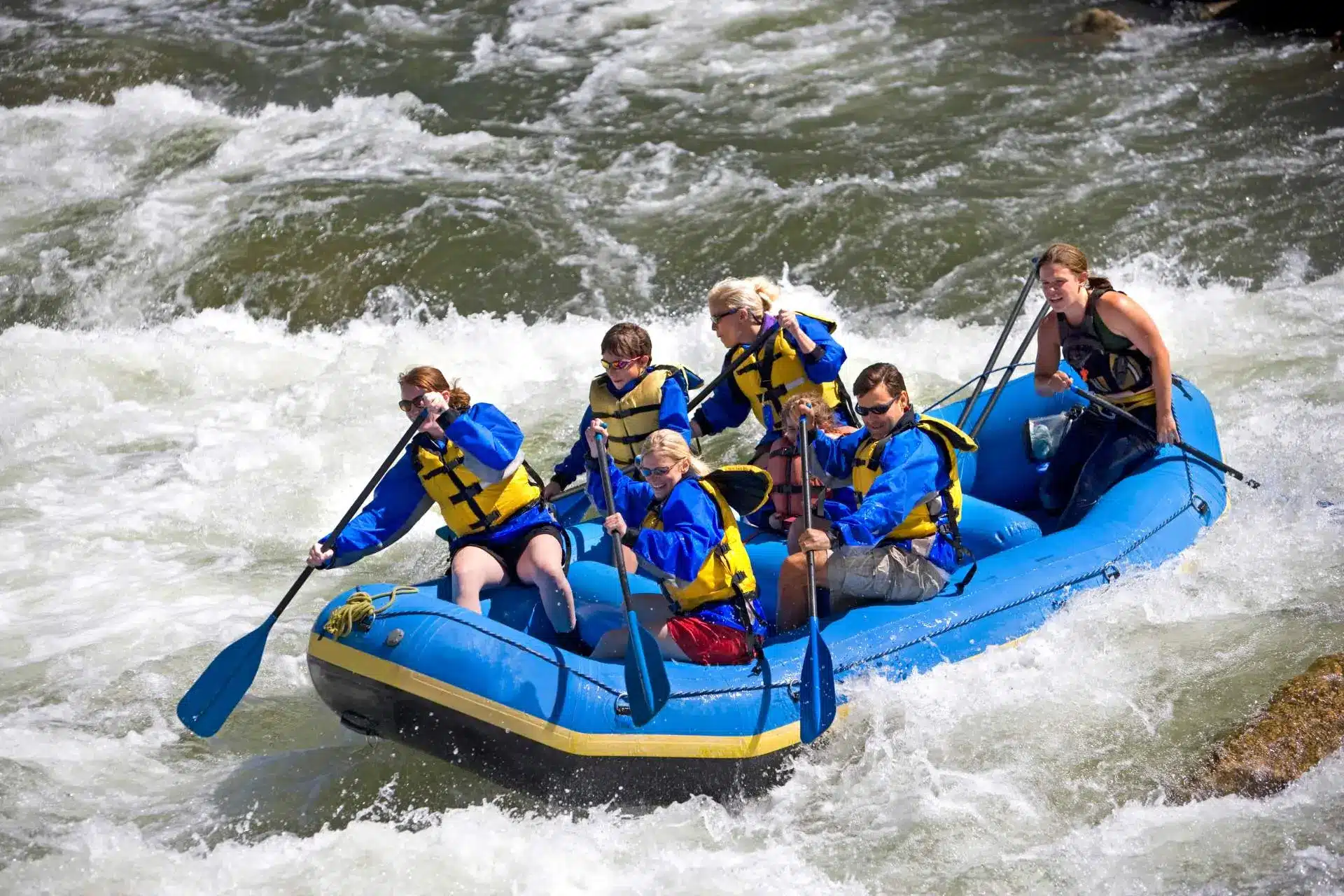
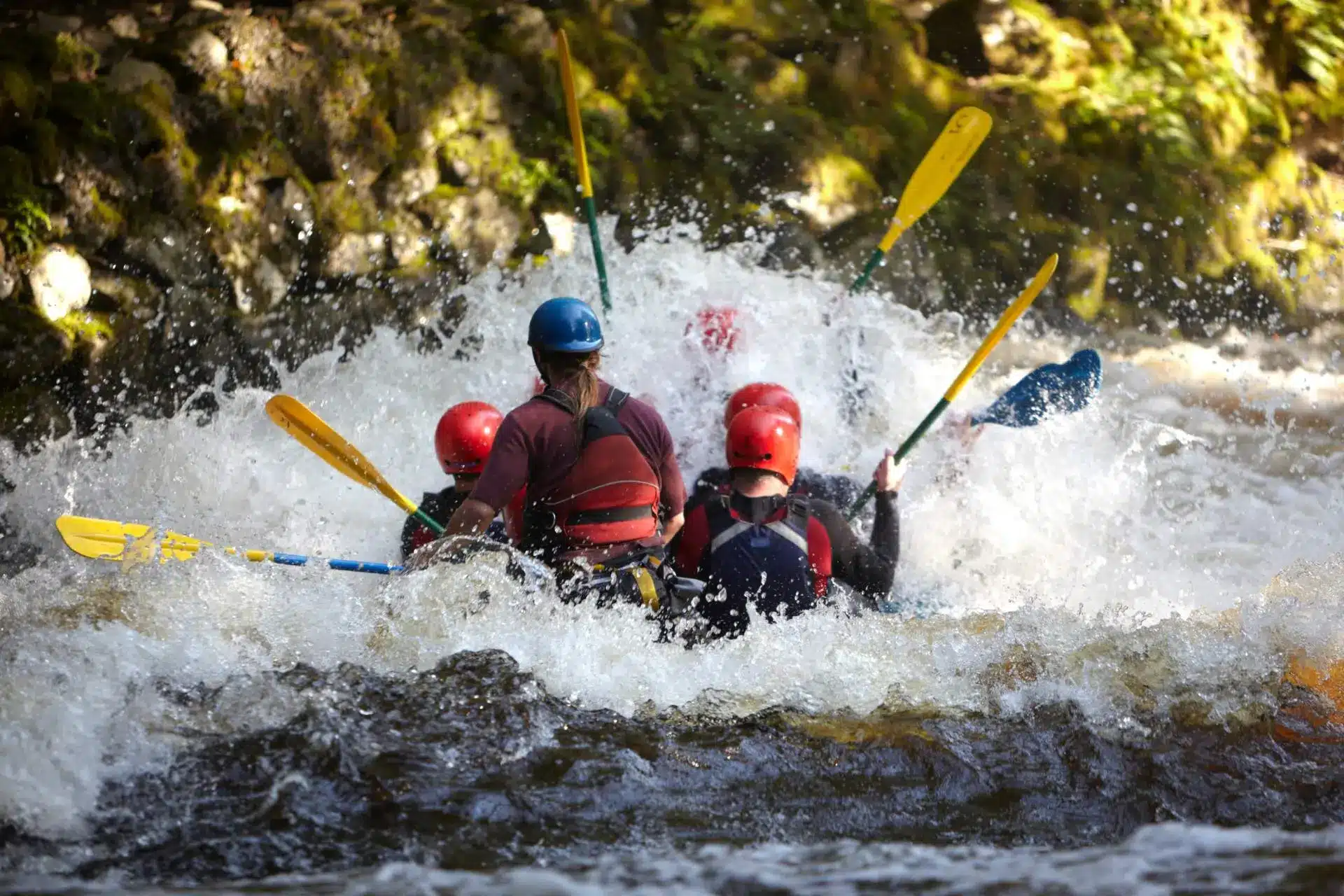
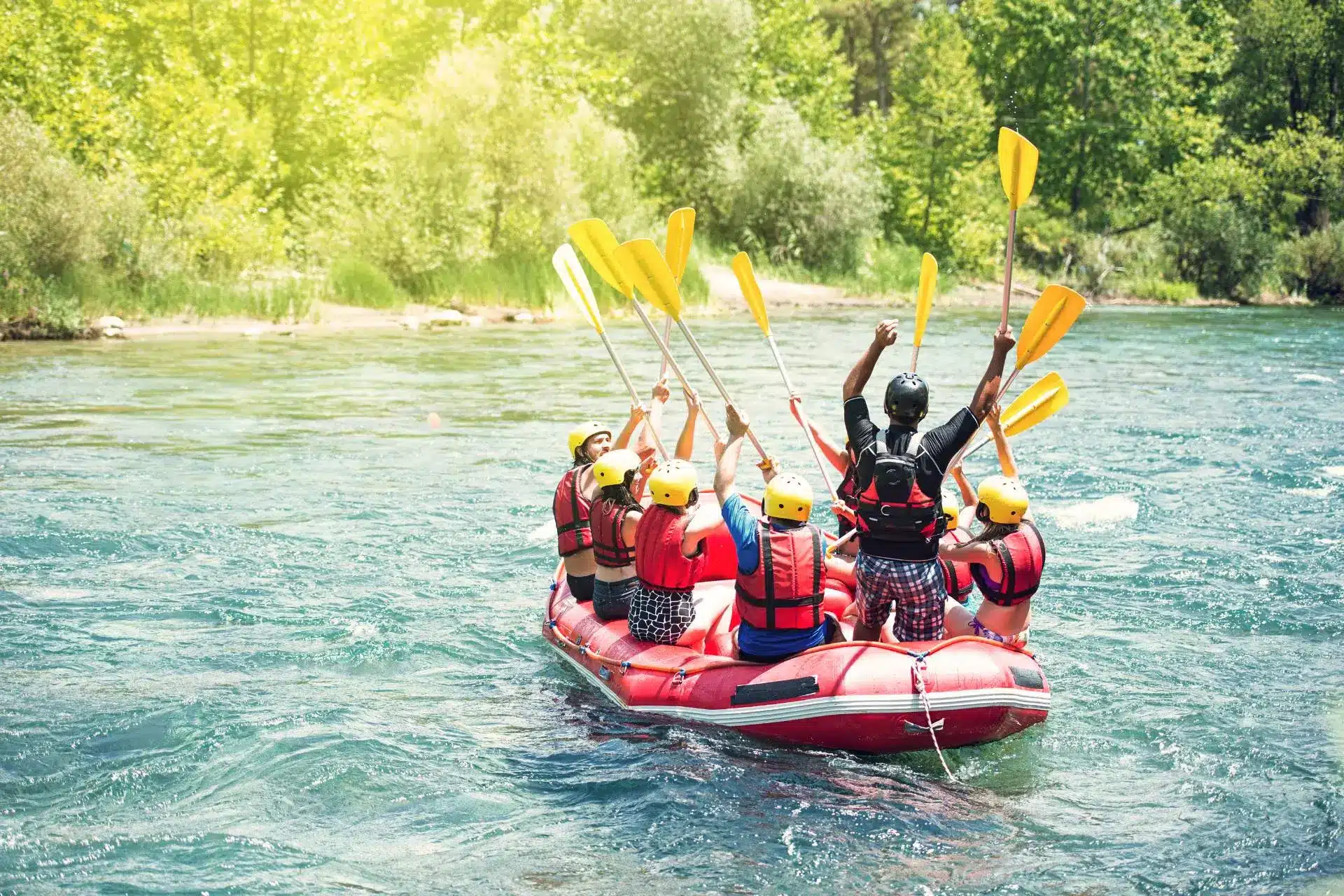
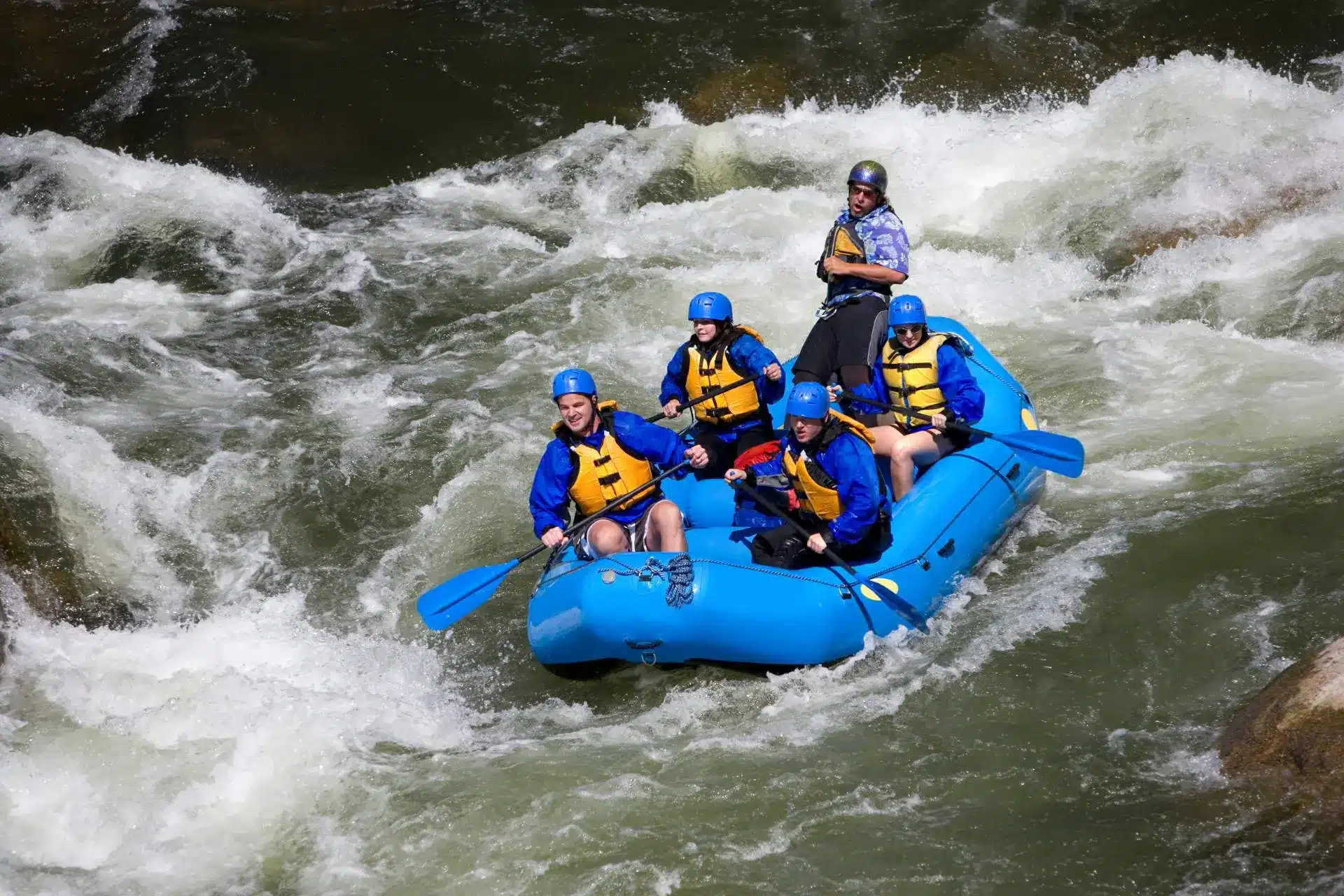
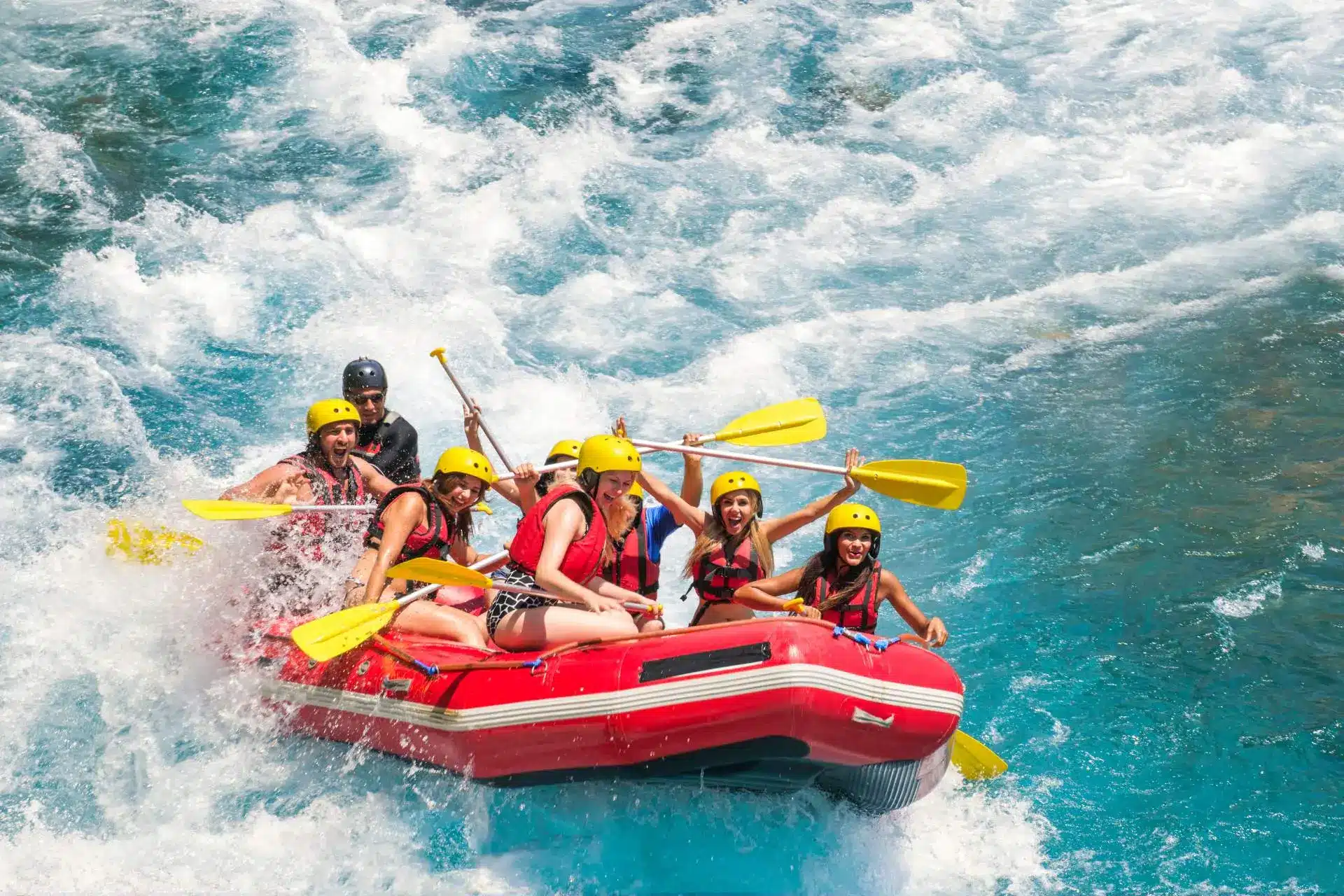
A typical rafting excursion lasts 2-3 hours on the water, covering 5-7 kilometers. Groups of 4-8 participants share inflatable rafts guided by experienced river guides who command paddle strokes, navigate rapid routes, and ensure safety. The journey includes approximately 7 major rapids interspersed with calmer sections allowing swimming, scenery appreciation, and recovery between exciting stretches.
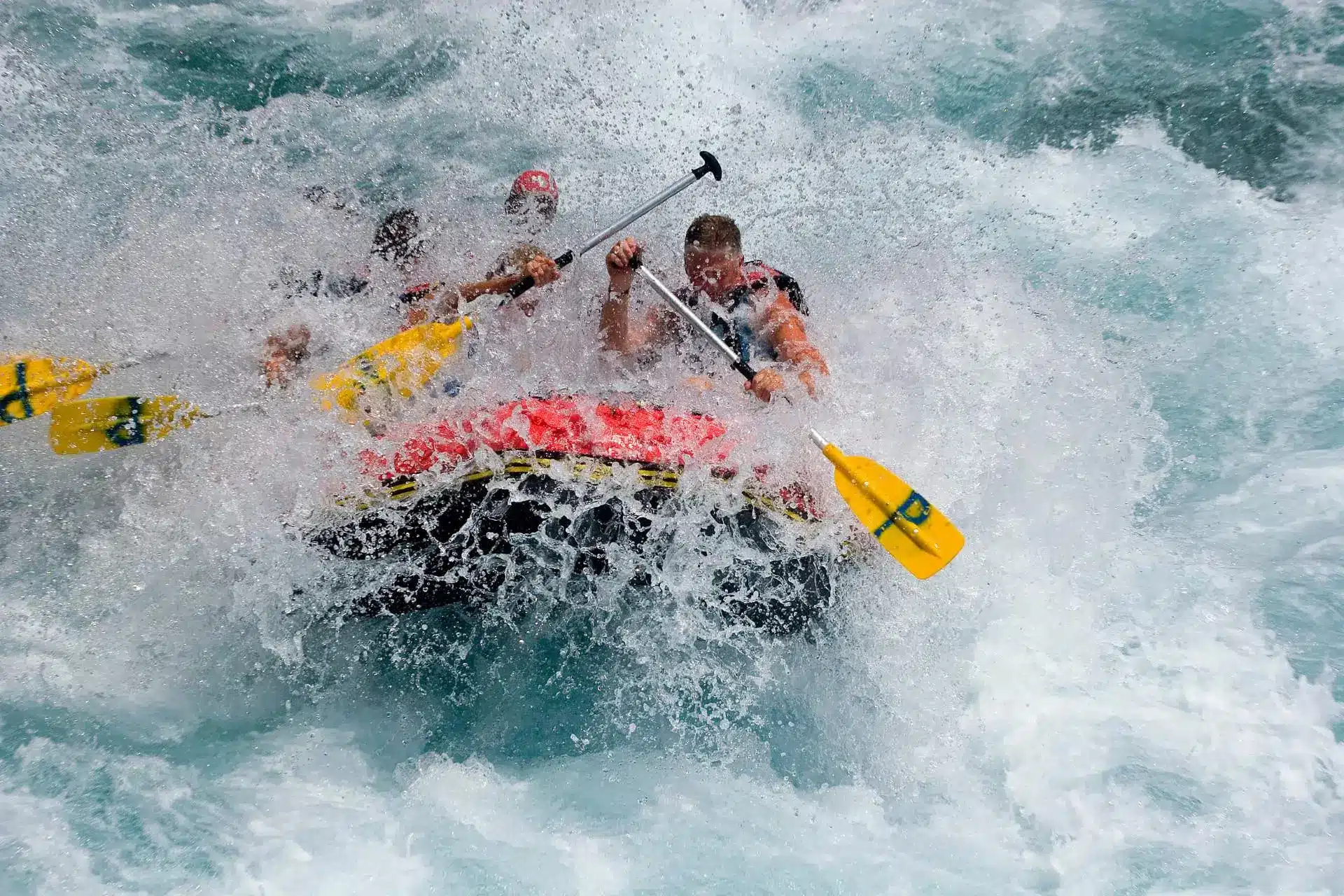
Rapids range from Class II (moderate waves, clear passages) to Class IV (intense, powerful waves requiring precise maneuvers). Operators assess water levels daily and adjust routes accordingly. During peak rain periods, rapid classifications increase; during dry season, they moderate. Most participants find the experience thrilling but manageable with guide instruction.
The adventure begins with safety briefings covering paddling techniques, rapid navigation, and emergency procedures. You’ll receive life jackets, helmets, and paddles. Guides demonstrate proper positioning, paddle strokes, and how to respond if thrown from the raft (which rarely happens but adds to the excitement).
Best Season for Rafting
Rafting operates year-round on Kelani River, but conditions vary seasonally. The southwest monsoon (May-October) brings heavy rains, raising water levels and increasing rapid intensity exciting for experienced rafters but potentially overwhelming for first-timers. The dry season (December-April) offers more moderate conditions, perfect for beginners while still providing thrills. However, very dry periods (February-March) can reduce water levels, making some sections less exciting.
November and April represent shoulder seasons with ideal condition sufficient water flow for exciting rapids without extreme intensity. Most operators consider these months optimal for diverse skill levels.
Who Can Participate
White water rafting suits moderately fit individuals aged 10-60+ years. No previous experience is necessary for standard Kelani River trips. Operators require basic swimming ability, though life jackets provide flotation. Pregnant women and people with serious back, heart, or neck conditions should avoid rafting.
Children under 12 can participate during moderate water periods accompanied by adults. During high water seasons, minimum age increases to 14-16 years depending on conditions. Operators assess each participant’s suitability before trips.
Safety Considerations
Reputable operators maintain high safety standards with trained guides certified in swift water rescue, well-maintained equipment, and established emergency protocols. Guides possess intimate river knowledge, understanding every rapid, rock formation, and potential hazard. Safety briefings aren’t mere formality pay attention and follow instructions precisely.
Accidents are rare when safety protocols are followed. The most common issues are minor scrapes from rocks and occasional flips in stronger rapids. Professional guides quickly retrieve anyone thrown from rafts, and life jackets ensure flotation.
Additional Activities in Kitulgala
Kitulgala offers other adventure activities complementing rafting trips. Canyoning involves rappelling down waterfalls, swimming through jungle pools, and cliff jumping an exciting full-day adventure. Jungle trekking explores rainforest trails with opportunities spotting endemic birds and wildlife. Many visitors combine morning rafting with afternoon canyoning or jungle activities for adventure-packed days.
What to Bring
Wear quick-drying clothes or swimwear. Avoid cotton t-shirts that become heavy when wet synthetic materials or rash guards work better. Secure footwear is essential river sandals with straps or old sneakers you don’t mind getting wet. Flip-flops and bare feet are prohibited for safety reasons.
Waterproof cameras or action cameras with secure mounts capture the excitement. Most operators offer photography services, selling action shots after trips. Remove jewelry and secure eyeglasses with straps. Bring dry clothes for changing after rafting, towel, and waterproof bag for valuables.
Choosing Operators
Multiple operators in Kitulgala offer rafting, but quality varies. Choose established companies with trained guides, good safety records, and proper equipment. Prices range from $25-50 per person depending on operator, group size, and package inclusions (transport from Colombo, meals, additional activities).
Reading recent reviews helps identify reputable operators. Avoid the cheapest options that may compromise safety or equipment quality. Legitimate operators provide thorough safety briefings, quality helmets and life jackets, and experienced guides.
Getting to Kitulgala
Kitulgala lies 90 kilometers (3 hours drive) from Colombo on the Colombo-Nuwara Eliya road. Most rafting operators offer transport from Colombo, Negombo, or nearby areas as package inclusions. Alternatively, hire a taxi or take public buses from Colombo’s Bastian Mawatha bus station to Kitulgala.
Many travelers incorporate Kitulgala as a stop between Colombo and hill country destinations, combining adventure with onward travel rather than dedicated day trips.
White water rafting in Sri Lanka delivers accessible adventure in stunning natural settingsan exhilarating experience perfect for injecting adrenaline into tropical island holidays.
Frequently Asked Questions (FAQs)
Is white water rafting safe in Sri Lanka?
Yes, when done with reputable operators. Professional guides, quality equipment, and safety briefings ensure safe experiences. Accidents are rare, and guides are trained in swift water rescue.
Do I need experience for rafting in Sri Lanka?
No previous experience is necessary. The Kelani River offers suitable rapids for beginners with professional guides providing instruction and navigation.
What is the best time for rafting in Sri Lanka?
November and April offer ideal conditions. December-April suits beginners with moderate water levels. May-October brings higher water and more intense rapids for experienced rafters.
How much does rafting cost in Sri Lanka?
Rafting costs $25-50 per person depending on the operator, group size, and package inclusions (transport, meals, photos). Premium operators charge slightly more for superior safety and service.
Where is the best place for rafting in Sri Lanka?
Kitulgala on the Kelani River is the premier rafting destination, offering consistent water flow, varied rapids, professional operators, and convenient access from Colombo.
What age can children start rafting?
Most operators accept children from 10 years old during moderate water periods, accompanied by adults. During high water seasons, minimum age increases to 14-16 years.
How long does a rafting trip take?
Water time is typically 2-3 hours covering 5-7 kilometers. Including safety briefing, transport, and changing, allow 4-5 hours total for the experience.
What should I wear for rafting?
Wear quick-dry clothing or swimwear with secure footwear (river sandals with straps or old sneakers). Avoid cotton t-shirts, jewelry, and loose items.