
Cultural Heritage Tours in Sri Lanka: Explore Ancient Cities and Sacred Buddhist Temples
Sri Lanka’s cultural heritage spans over 2,500 years, manifested in magnificent ancient cities, ornate Buddhist temples, colonial architecture, and living traditions that continue shaping daily life. The island boasts eight UNESCO World Heritage Sitessix cultural and two naturalwith the “Cultural Triangle” in the north-central region forming the heartland of ancient Sinhalese civilization. Exploring these sites reveals the sophisticated engineering, artistic excellence, and spiritual devotion of Sri Lanka’s historical kingdoms.
The Cultural Triangle
The Cultural Triangle encompasses three ancient capital cities forming a geographic triangle in Sri Lanka’s dry zone. This region preserves extraordinary archaeological treasures spanning from the 4th century BCE through the medieval period.
Anuradhapura
Anuradhapura served as Sri Lanka’s first capital for over 1,400 years (4th century BCE – 11th century CE). This sacred city hosts massive dagobas (stupas), ancient pools, and the Sri Maha Bodhia 2,300-year-old fig tree grown from a cutting of the original Bodhi tree under which Buddha attained enlightenment, making it the world’s oldest recorded tree. The Ruwanwelisaya Dagoba rises 103 meters, a white hemisphere representing Buddhist cosmology. Intricate stone carvings at twin ponds (Kuttam Pokuna) and the moonstone at Mahasena’s palace showcase ancient artistic sophistication.
The sprawling site requires a full day to explore properly. Rent bicycles for easier navigation between monument clusters. Dress modestly (covering shoulders and knees) and remove shoes when entering sacred areas. Early morning or late afternoon visits avoid intense heat.
Polonnaruwa
Polonnaruwa, the second ancient capital (11th-13th centuries), presents better-preserved ruins in a more compact area. The Royal Palace complex, Audience Hall with elephant friezes, and Gal Viharafour colossal Buddha statues carved from a single granite wallrepresent pinnacles of Sinhalese art. The Parakrama Samudra reservoir, built in the 12th century, still irrigates farmland, demonstrating ancient hydraulic engineering prowess.
Polonnaruwa suits half-day or full-day visits. The concentrated site layout makes cycling the preferred exploration method, with bicycle rentals available at entrance.
Sigiriya Rock Fortress
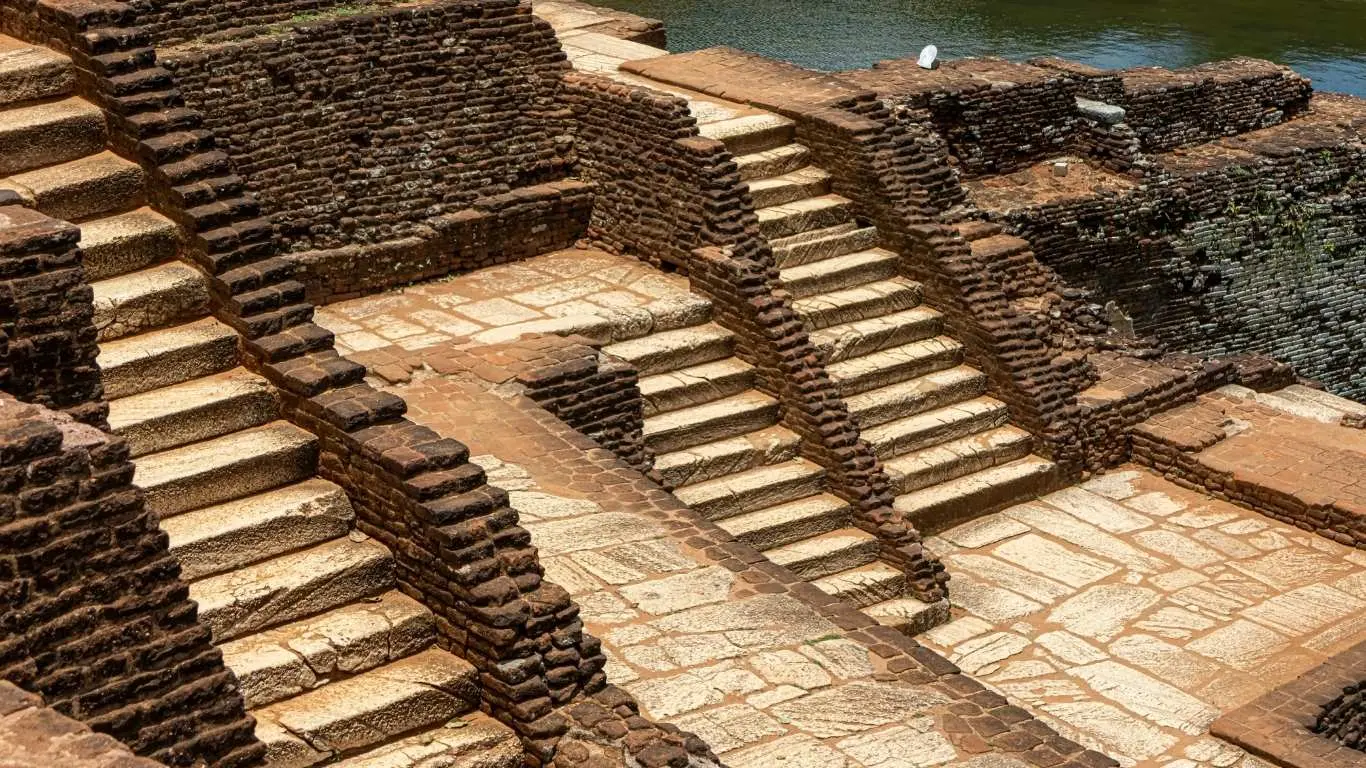
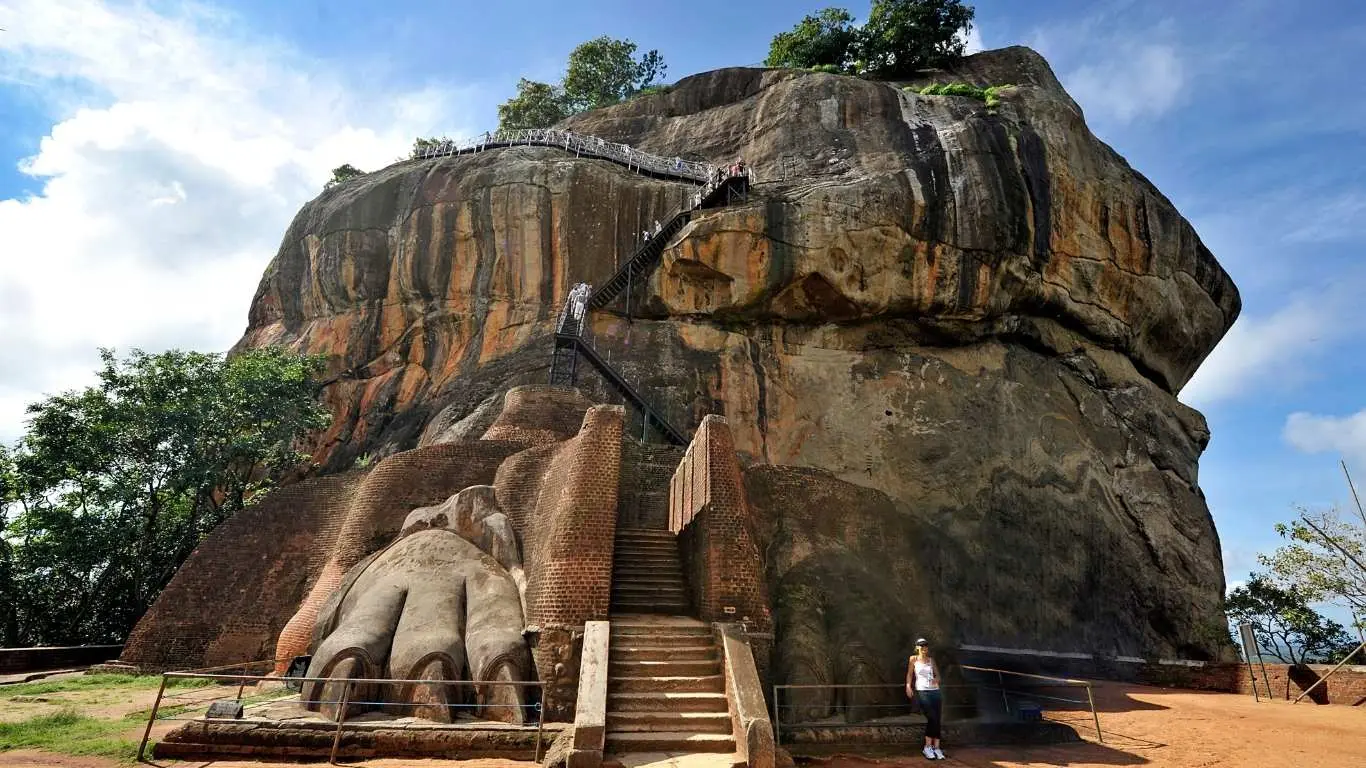
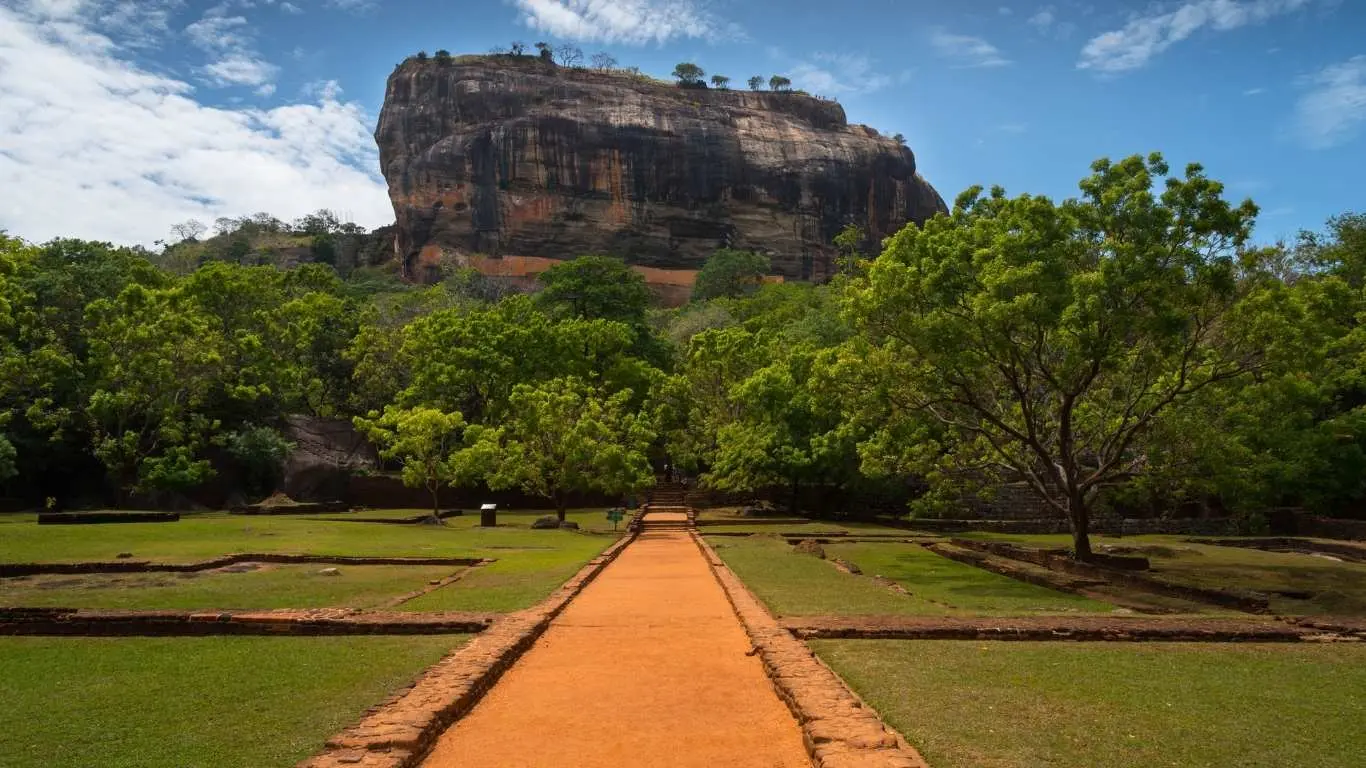
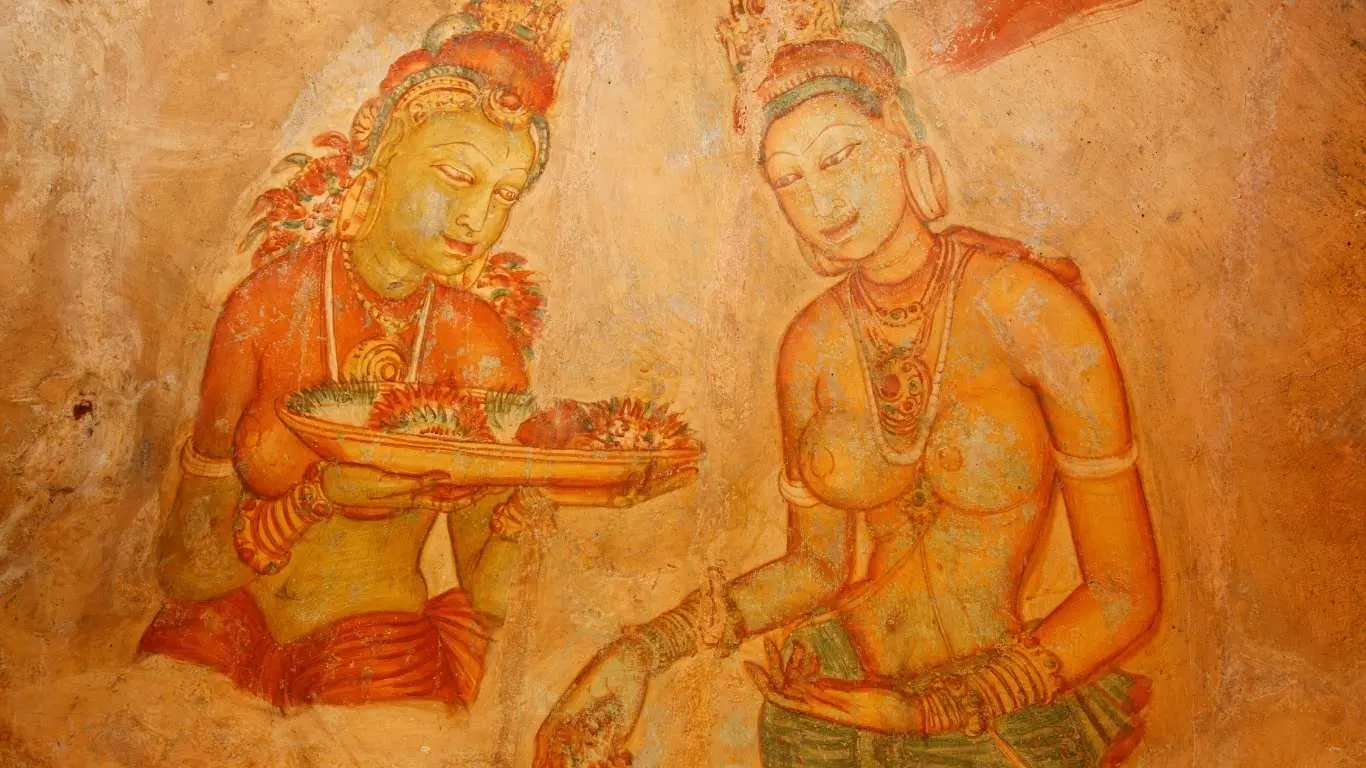
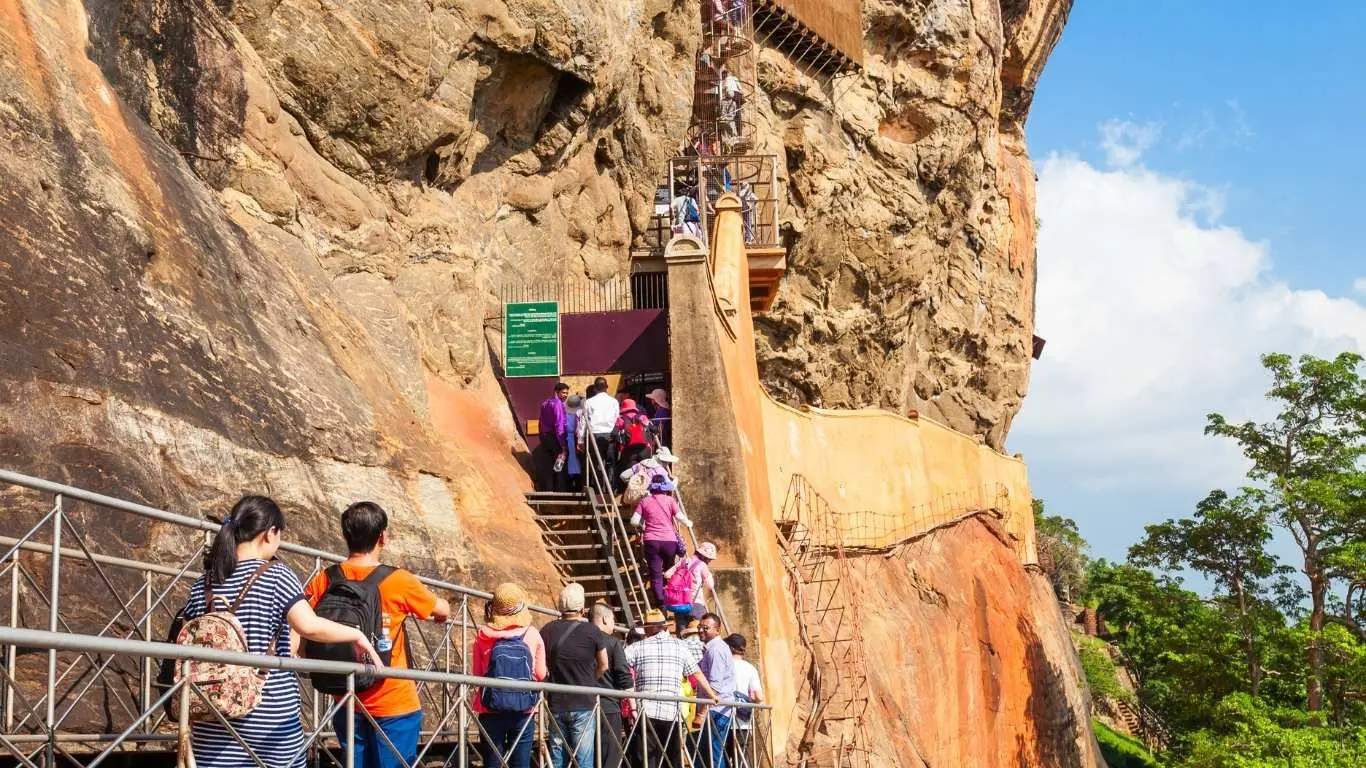
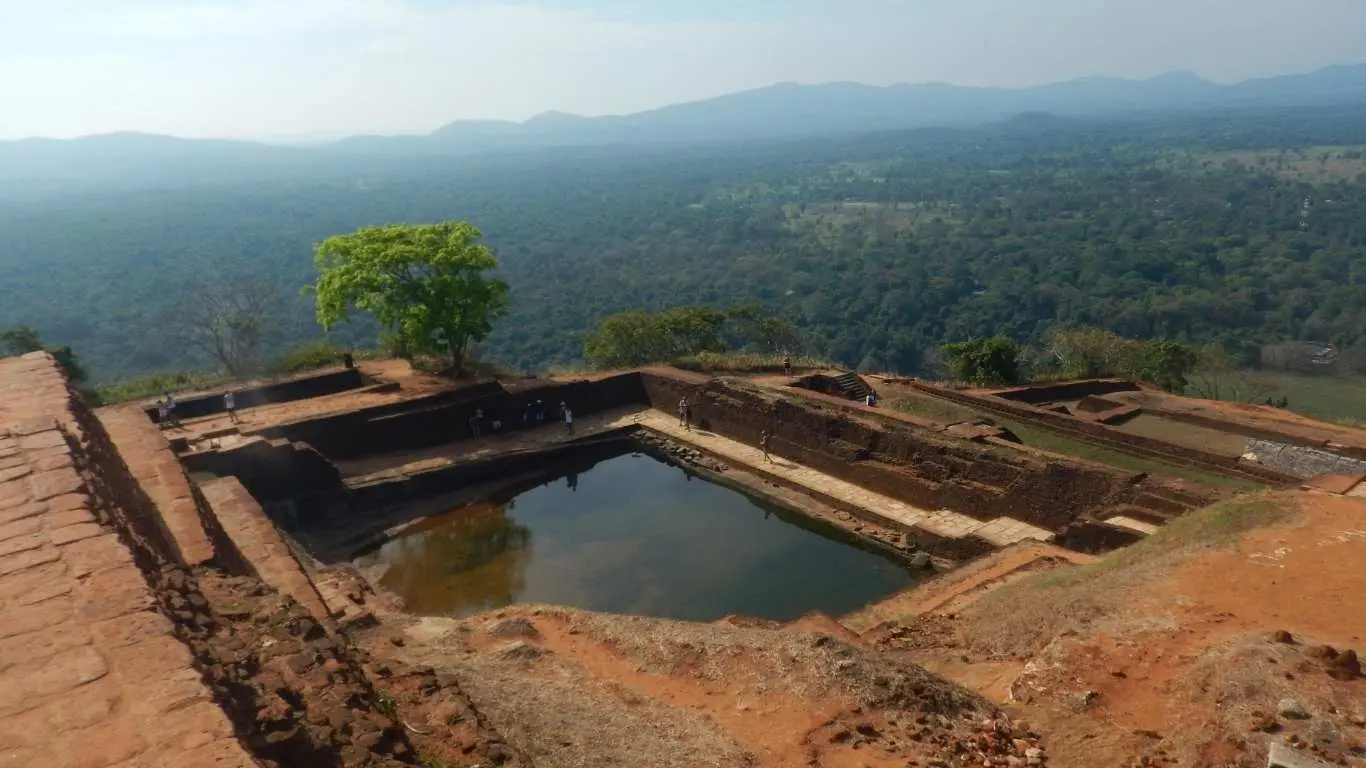
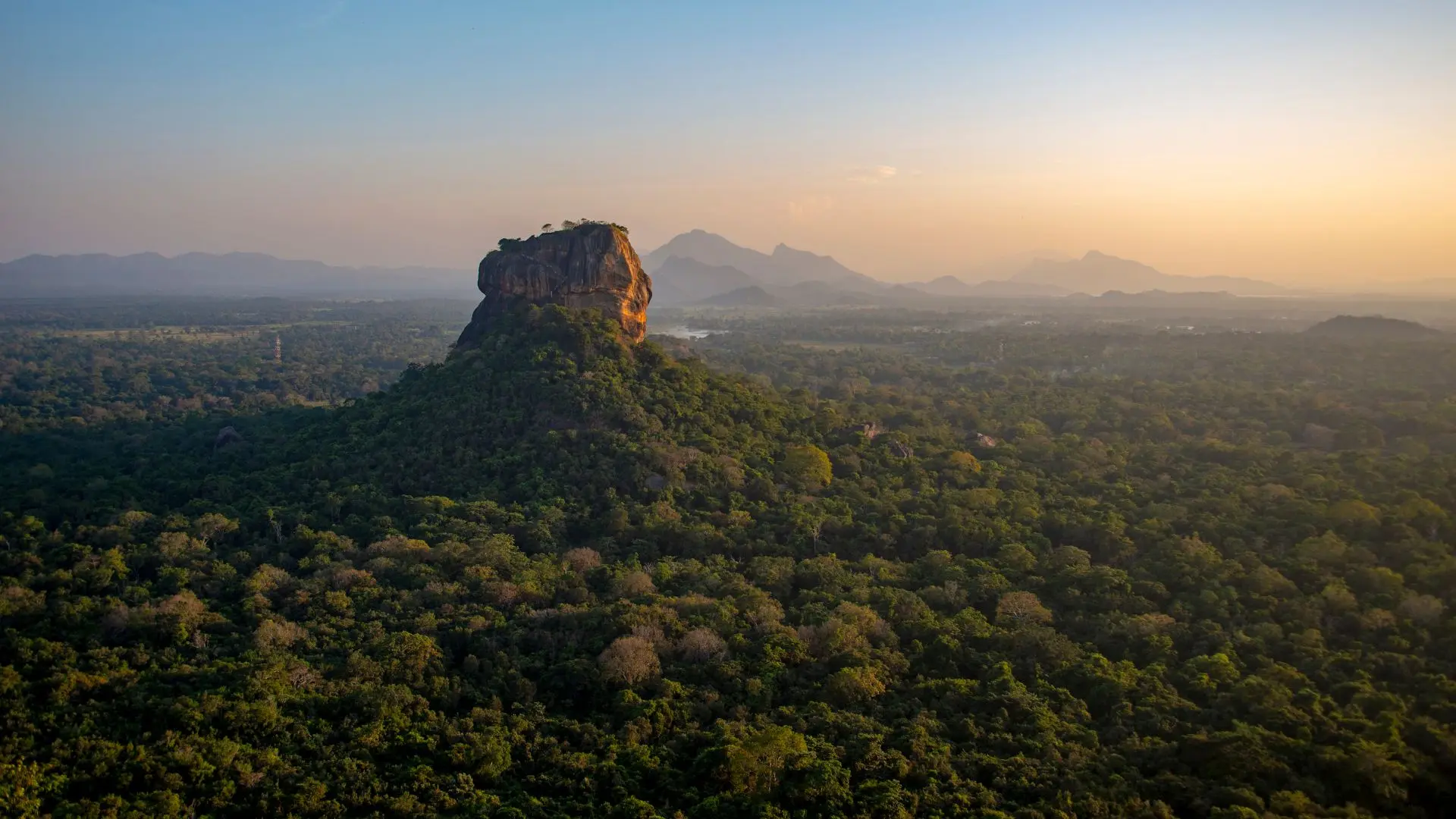
Sigiriya Rock Fortress stands as Sri Lanka’s most iconic imagea 200-meter-high granite rock fortress rising dramatically from flat plains. Built in the 5th century by King Kassapa, the summit palace complex showcases advanced urban planning with water gardens, mirror walls, and the famous Sigiriya frescoesancient paintings of celestial maidens (apsaras) retaining vivid colors after 1,500 years.
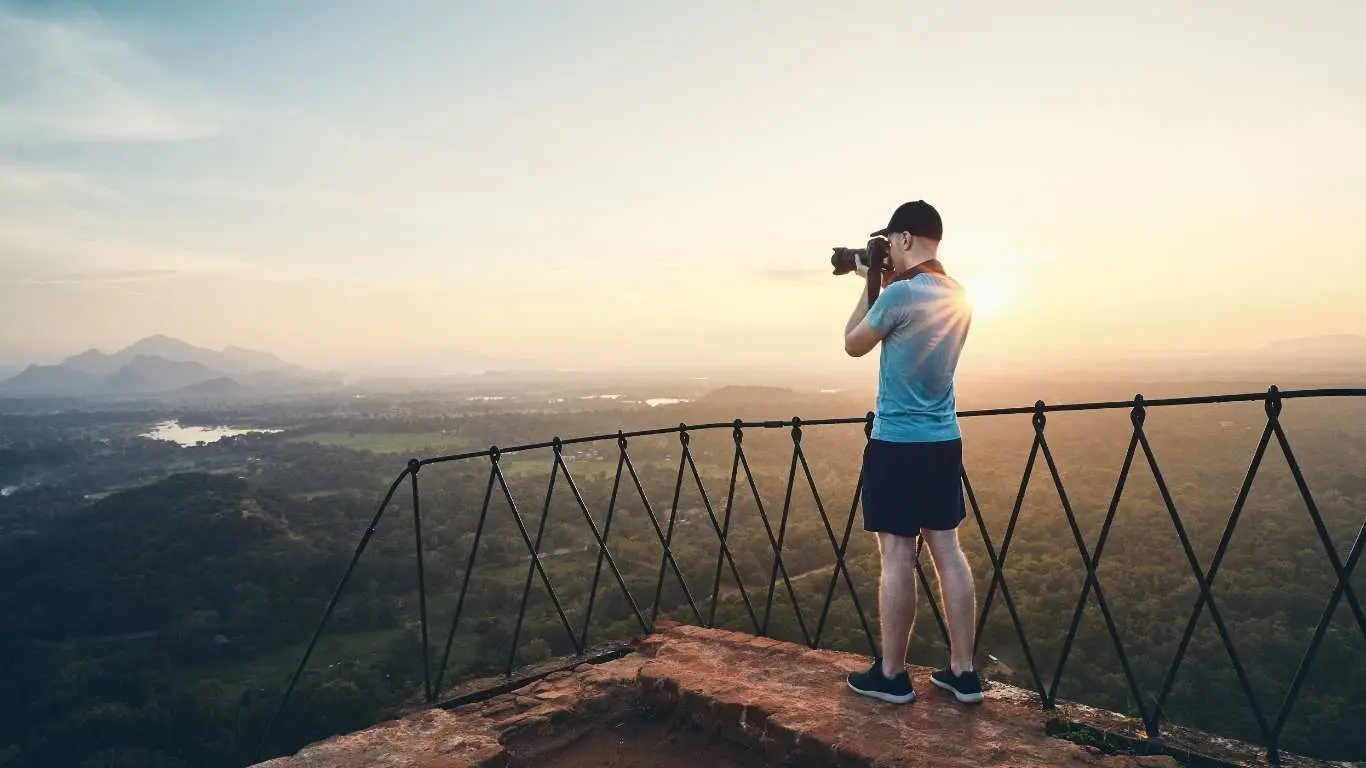
Climbing involves ascending 1,200 steps through various architectural features including the Lion’s Paw terrace (giving Sigiriya its name, meaning Lion Rock). The Mirror Wall, originally polished so highly that the king could see his reflection, now bears ancient graffiti from visitors spanning centuries. Summit views reward the climb, surveying perfectly symmetrical gardens and surrounding countryside.
Dambulla Cave Temple
Dambulla Cave Temple houses five cave temples adorned with Buddhist murals and 153 Buddha statues. Dating to the 1st century BCE, successive kings enhanced these caves, creating one of Asia’s best-preserved cave temple complexes. The ceiling paintings depict Buddha’s life stories in intricate detail. The reclining 14-meter Buddha statue dominates the largest cave.
Located conveniently near Sigiriya, Dambulla suits morning or afternoon half-day visits. Modest dress and bare feet required inside temples.
Kandy – The Last Kingdom
Kandy, Sri Lanka’s last independent kingdom until 1815, preserves living heritage alongside historical monuments. The Temple of the Sacred Tooth Relic (Sri Dalada Maligawa) houses Buddhism’s most important relica tooth of Buddha. Pilgrims circumambulate the inner chamber during daily pujas (worship ceremonies) at 5:30 AM, 9:30 AM, and 6:30 PM, creating atmospheric spiritual experiences. The temple museum displays gifts from Buddhist nations worldwide.
The annual Esala Perahera (July/August) ranks as one of Asia’s greatest cultural spectaclesa ten-day festival featuring decorated elephants, traditional dancers, fire-twirlers, and drummers parading nightly. Advance planning and bookings are essential during this period.
Beyond the tooth temple, Kandy offers the Royal Botanical Gardens at Peradeniya (expansive tropical gardens with orchid houses and giant bamboo groves), traditional Kandyan dance performances showcasing acrobatic moves and drumming, and lakeside walks around scenic Kandy Lake.
Galle Fort – Colonial Heritage
Galle Fort represents Sri Lanka’s best-preserved colonial architecture, originally built by Portuguese in 1588 then extensively fortified by Dutch in the 17th century. The UNESCO World Heritage Site combines European architecture with South Asian traditions. Walk the fort ramparts at sunset, explore boutique hotels in restored mansions, visit the Maritime Museum, and admire the iconic lighthouse. The living fort hosts residents, shops, cafes, and museums, maintaining vibrancy beyond tourist attraction status.
Visiting Temples – Cultural Etiquette
Sri Lankan temples require respectful behavior. Always remove shoes before entering sacred areas. Dress modestlyshoulders and knees covered, no tight or revealing clothing. Never point feet toward Buddha statues. Don’t pose for photographs with your back to Buddha imagesconsidered highly disrespectful. Turn off phone ringers. Many temples welcome visitors warmly if cultural norms are respected.
Planning Cultural Tours
The Cultural Triangle suits 3-5 day itineraries, combining major sites. Many travelers base in Sigiriya or Dambulla, visiting Polonnaruwa and Anuradhapura as day trips. Alternatively, move between bases, staying in each ancient city. Kandy suits 2-3 day stays, and Galle Fort works as either day trip from the south coast or overnight experience.
Guides greatly enhance cultural site visits, explaining historical context, architectural significance, and spiritual meanings that aren’t obvious to untrained eyes. Government-licensed guides offer knowledgeable tours at reasonable rates.
Sri Lanka’s cultural heritage provides windows into sophisticated ancient civilizations while maintaining living Buddhist traditions, creating deeply enriching travel experiences connecting past and present.
Frequently Asked Questions (FAQs)
What is the Cultural Triangle in Sri Lanka?
The Cultural Triangle encompasses three ancient capital citiesAnuradhapura, Polonnaruwa, and Kandyplus Sigiriya and Dambulla. It contains six UNESCO World Heritage Sites representing 2,500 years of history.
How many days needed for Cultural Triangle?
Minimum 3-4 days allows visiting major sites. Five days enables more relaxed pacing. Each ancient city deserves a full day, with Sigiriya and Dambulla requiring half-days each.
What is the dress code for temples in Sri Lanka?
Cover shoulders and knees. Remove shoes before entering sacred areas. Avoid tight, revealing, or offensive clothing. White or light colors are traditional but not mandatory.
Is Sigiriya worth climbing?
Absolutely! Despite 1,200 steps, the experience rewards with stunning views, ancient frescoes, ingenious architecture, and historical significance. Start early to avoid heat and crowds.
Can I visit temples during prayer times?
Yes, visiting during pujas (worship ceremonies) offers authentic cultural experiences. Be respectful, quiet, and stay back from active worship areas unless invited to participate.
How much do Cultural Triangle sites cost?
Sigiriya costs $30, Polonnaruwa $25, Anuradhapura $25 for foreign visitors. Combined tickets offer savings. Dambulla Cave Temple costs $10. Prices subject to change.
Do I need a guide for ancient cities?
Not mandatory but highly recommended. Guides provide historical context, explain architectural significance, and identify features easily missed independently. Licensed guides cost $20-40 per day.
What is the best time to visit Sigiriya?
Early morning (7:00 AM opening) or late afternoon for cooler temperatures and fewer crowds. Sunrise visits aren't possible as the site opens at 7:00 AM.