
Scuba Diving and Snorkeling in Sri Lanka: Explore Vibrant Coral Reefs and Shipwrecks
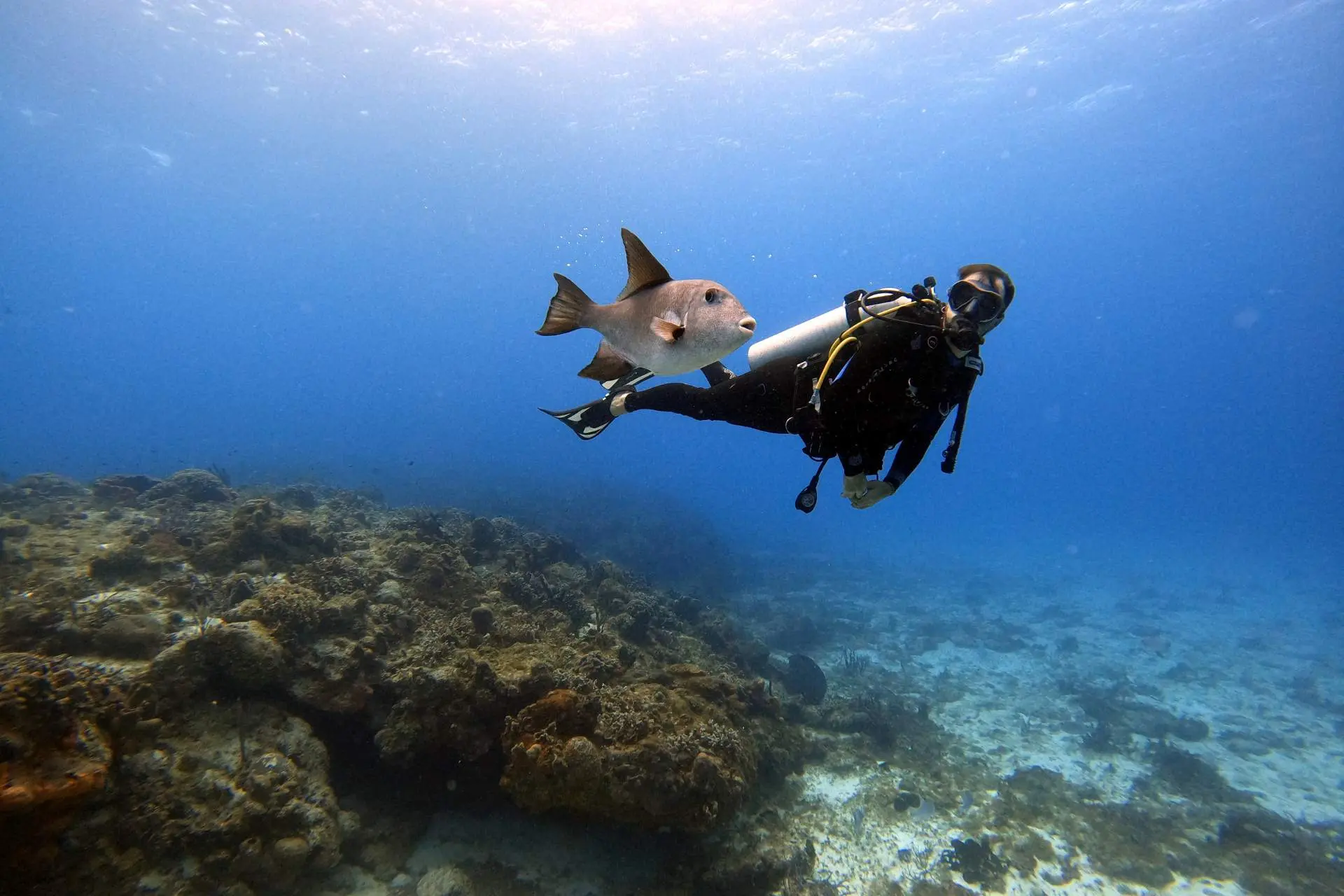
Sri Lanka’s surrounding waters offer exceptional diving and snorkeling opportunities that remain relatively undiscovered compared to Southeast Asian neighbors. The island’s unique position in the Indian Ocean creates diverse marine ecosystems hosting vibrant coral reefs, fascinating shipwrecks, large pelagic species, and remarkably clear waters during peak seasons. From shallow coral gardens perfect for snorkeling to dramatic wreck dives for advanced divers, Sri Lanka’s underwater world rewards all experience levels.
Why Dive in Sri Lanka?
The island’s marine biodiversity rivals any tropical destination. Over 90 coral species thrive in Sri Lankan waters, creating habitats for 500+ fish species including tropical reef fish, rays, reef sharks, and occasional whale shark encounters. The coastal waters hold over 20 diveable shipwrecks from different eras British steamers, World War II vessels, and modern freighters now transformed into artificial reefs teeming with marine life.
Water visibility typically ranges from 10-30 meters during optimal seasons, with temperatures between 27-29°C year-round requiring only light wetsuits or rashguards. The diving industry maintains high safety standards with PADI-certified dive centers offering professional instruction and well-maintained equipment.
Best Diving and Snorkeling Locations
Hikkaduwa
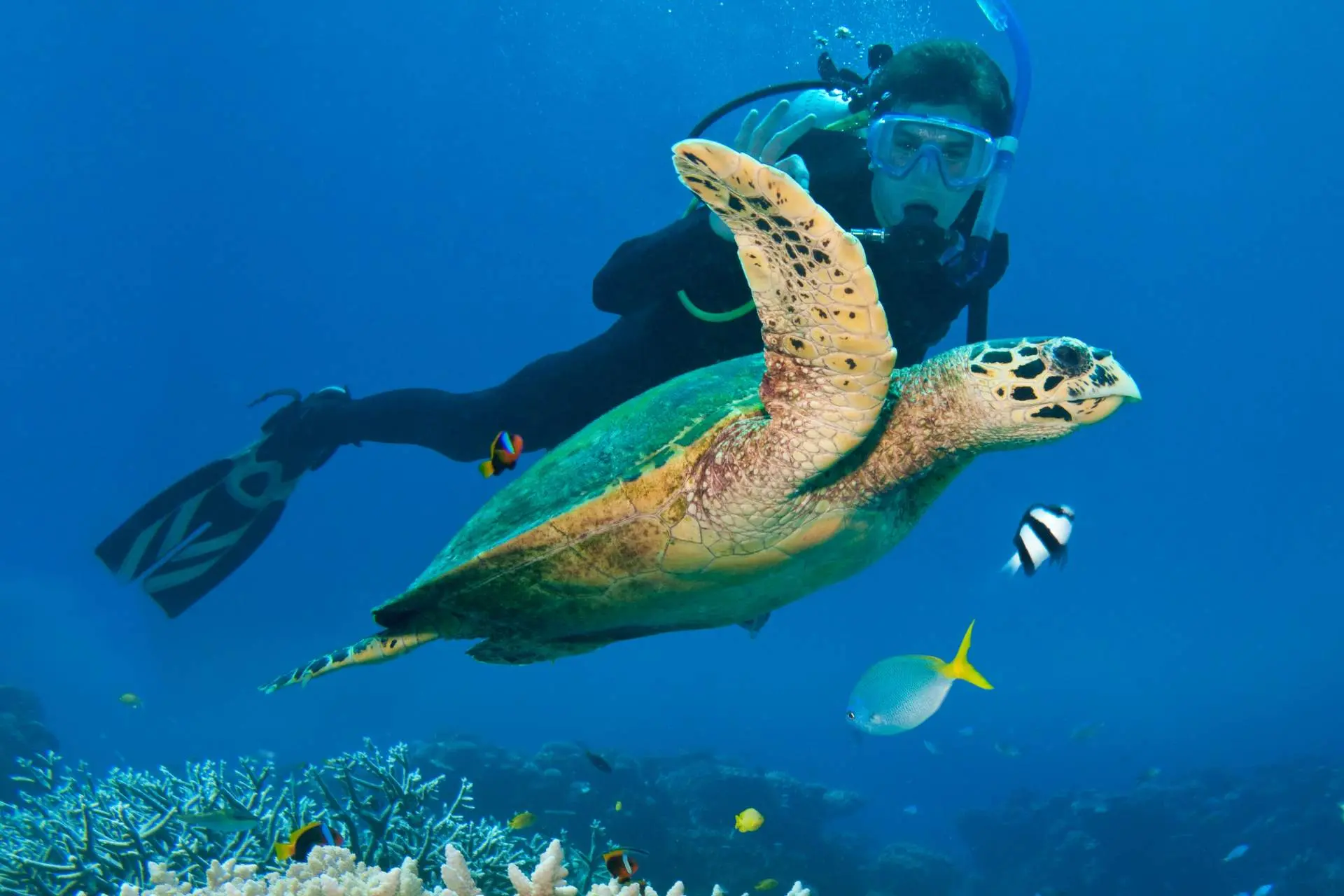
Hikkaduwa pioneered diving tourism in Sri Lanka and remains the most accessible destination. The Hikkaduwa Marine National Park protects shallow coral reefs just 20-50 meters offshore, making it perfect for snorkelers and beginner divers. Hard and soft corals host butterflyfish, angelfish, parrotfish, and moray eels. Deeper sites like Godagala Rock feature swim-throughs and occasional turtle encounters. Multiple dive shops offer courses, guided dives, and equipment rental.
Unawatuna
Unawatuna offers sheltered bay diving ideal for beginners alongside more challenging sites. The area’s calm waters during southwest monsoon season (November-April) create excellent visibility. Sites range from shallow coral gardens to deeper rock formations where groupers and snappers congregate.
Trincomalee
Trincomalee ranks as Sri Lanka’s premier diving destination for advanced divers and those seeking pristine conditions. The east coast enjoys calm seas from April to October when the south coast faces monsoon conditions. Trincomalee’s star attraction is Pigeon Island National Parktwo small islands surrounded by spectacular coral reefs hosting blacktip reef sharks, blue tang, parrotfish, and vibrant soft corals. The island’s beaches also offer exceptional snorkeling accessible by boat.
Trincomalee harbor contains numerous shipwrecks including the British HMS Hermes, a WWII aircraft carrier sunk by Japanese bombs in 1942, sitting at 53 meters depth. This massive wreck attracts advanced divers worldwide. Other accessible wrecks include the Earl of Shaftesbury and various merchant vessels.
Kalpitiya
Kalpitiya in the northwest provides unique diving experiences including occasional whale shark encounters and dramatic rock pinnacles. The season runs November to March. While coral coverage is limited, the area attracts large pelagics including manta rays, eagle rays, and various shark species.
Passikudah and Batticaloa
Passikudah and Batticaloa on the east coast offer emerging dive destinations with unexplored reefs, wrecks, and calm conditions April through October.
Wreck Diving
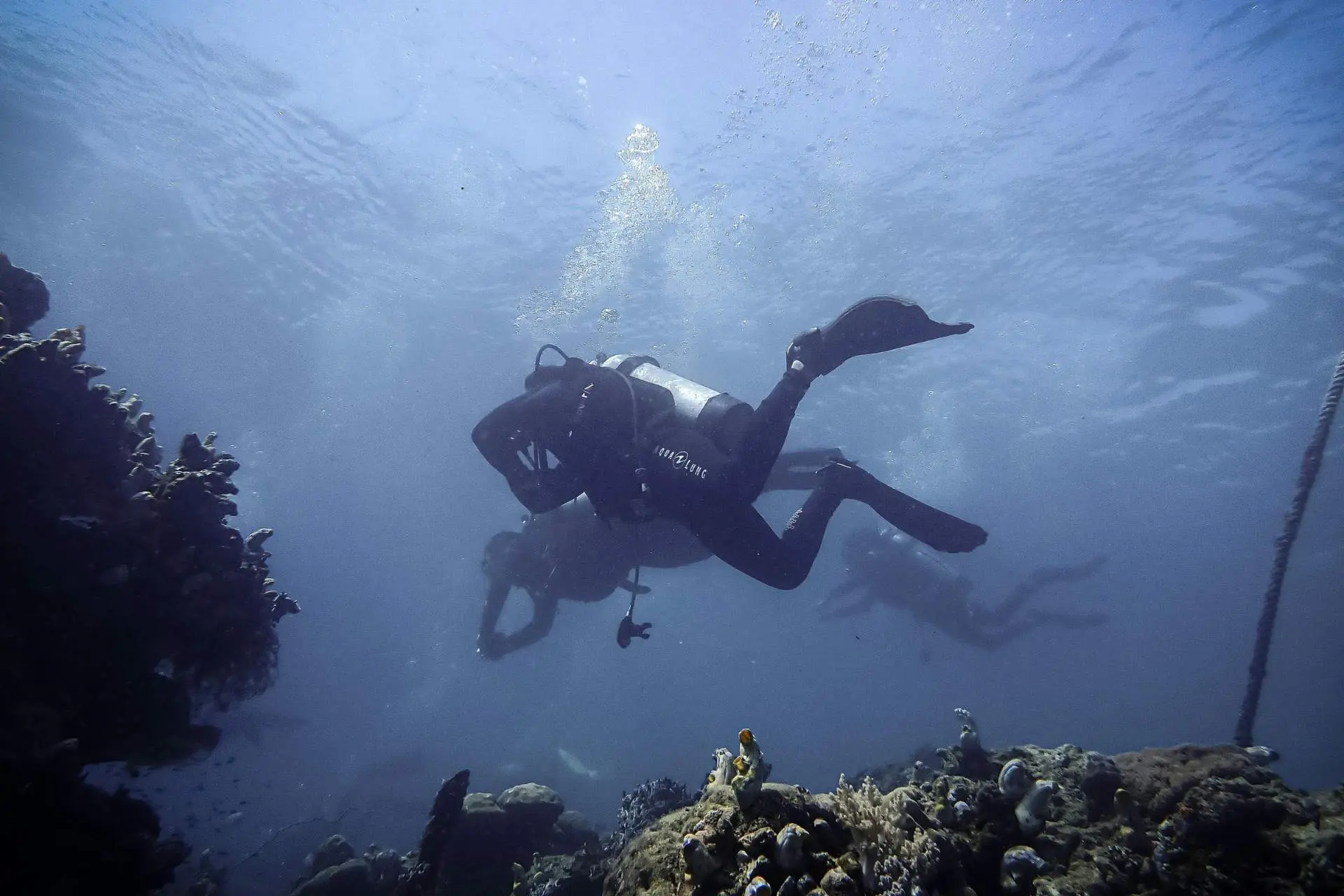
Sri Lanka’s shipwreck portfolio spans centuries of maritime history. Accessible wrecks include:
- HMS Hermes (Trincomalee) – 53m depth, advanced only
- British Sergeant Shipwreck (Colombo) – 18m depth, suitable for intermediate divers
- Rangoon Wreck (Hikkaduwa) – 15m depth, good for beginners
- Earl of Shaftesbury (Trincomalee) – 30m depth, intermediate level
These wrecks support extensive marine life and offer fascinating glimpses into maritime history.
Snorkeling Opportunities
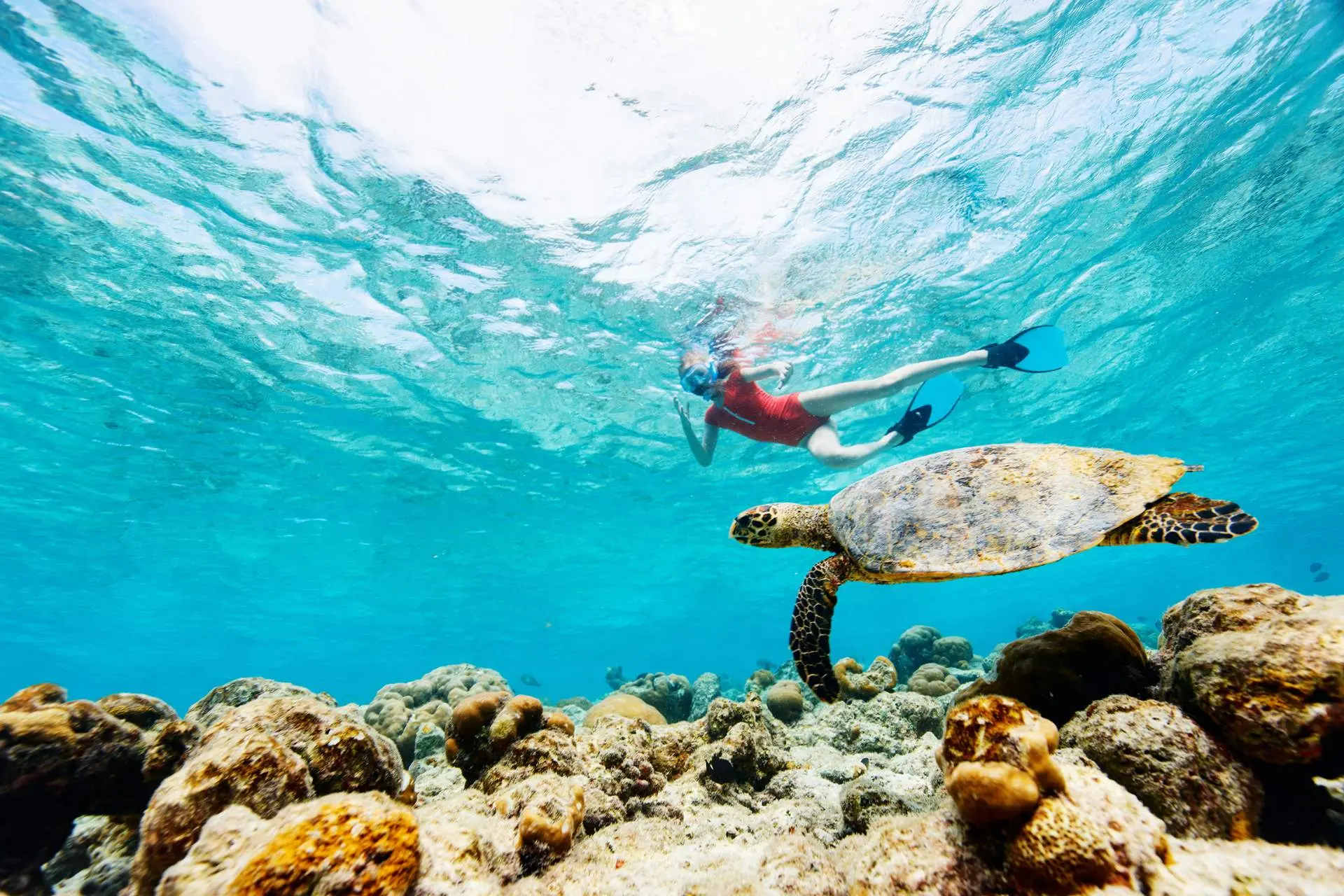
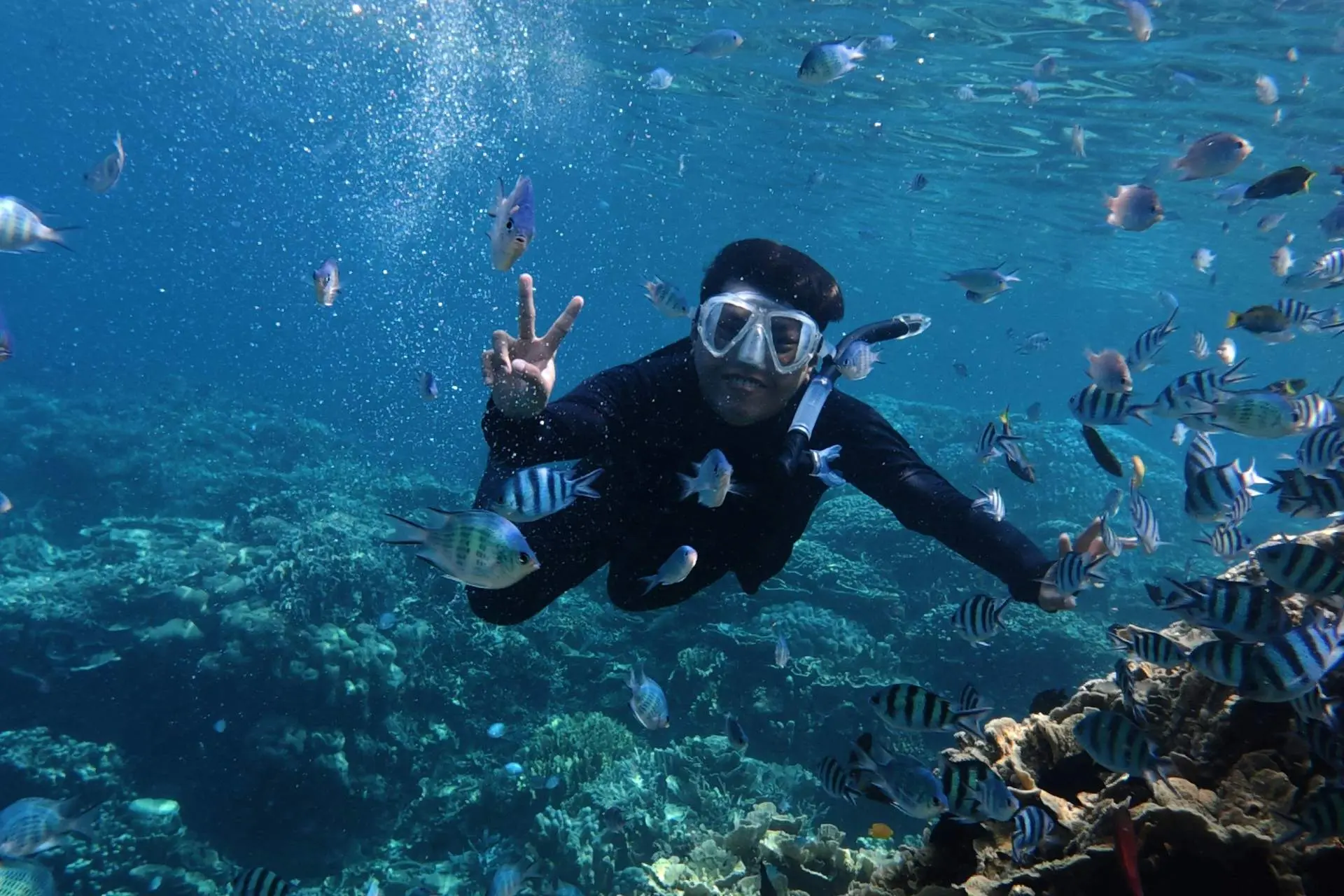
Excellent snorkeling doesn’t require specialized training or expensive equipment. Hikkaduwa’s protected marine park offers the most accessible snorkeling directly from beach access. Pigeon Island near Trincomalee provides world-class snorkeling with abundant reef sharks (harmless blacktip) and stunning coral formations. Unawatuna Bay, Mirissa, and various east coast beaches offer good snorkeling when seas are calm.
Best Seasons
The southwest coast (Hikkaduwa, Unawatuna, Weligama) enjoys optimal diving conditions November through April with calm seas and visibility exceeding 20 meters. The east coast (Trincomalee, Batticaloa, Passikudah) offers best conditions April through October. This complementary seasonal pattern enables year-round diving somewhere in Sri Lanka.
Dive Courses and Certification
Numerous PADI dive centers offer complete certification courses from beginner Open Water to advanced specialties. A four-day Open Water course typically costs $300-400, significantly less than Western dive destinations. Discover Scuba diving experiences allow trying diving without full certification, suitable for curious first-timers.
Marine Conservation
Responsible diving practices protect Sri Lanka’s marine ecosystems. Avoid touching coral, maintain neutral buoyancy, and never chase or harass marine life. Many dive operators support reef conservation through cleanup initiatives and coral restoration projects.
Whether exploring vibrant shallow reefs or penetrating historic shipwrecks, Sri Lanka’s underwater realm offers world-class diving experiences in an uncrowded, affordable tropical paradise.
Frequently Asked Questions (FAQs)
Where is the best diving in Sri Lanka?
Trincomalee offers the best overall diving with pristine reefs, Pigeon Island, and famous HMS Hermes wreck. Hikkaduwa is best for beginners and accessibility.
What is the best season for diving in Sri Lanka?
South and west coasts (Hikkaduwa, Unawatuna) are best November-April. East coast (Trincomalee) is best April-October, providing year-round diving opportunities.
How much does diving cost in Sri Lanka?
Single guided dives cost $30-50. Complete PADI Open Water certification courses range $300-400. Snorkeling trips cost $10-25.
Can beginners dive in Sri Lanka?
Absolutely! Hikkaduwa and Unawatuna offer ideal beginner conditions with shallow, calm sites. Many dive centers provide intro dives and full certification courses.
Are there sharks in Sri Lankan waters?
Yes, but dangerous species are rare. Blacktip reef sharks at Pigeon Island are harmless and a highlight of snorkeling. Whale sharks occasionally appear but are gentle filter feeders
Is Hikkaduwa good for snorkeling?
Yes, Hikkaduwa Marine National Park offers excellent snorkeling with coral reefs 20-50 meters from shore, accessible by swimming or glass-bottom boat.
What marine life can I see diving in Sri Lanka?
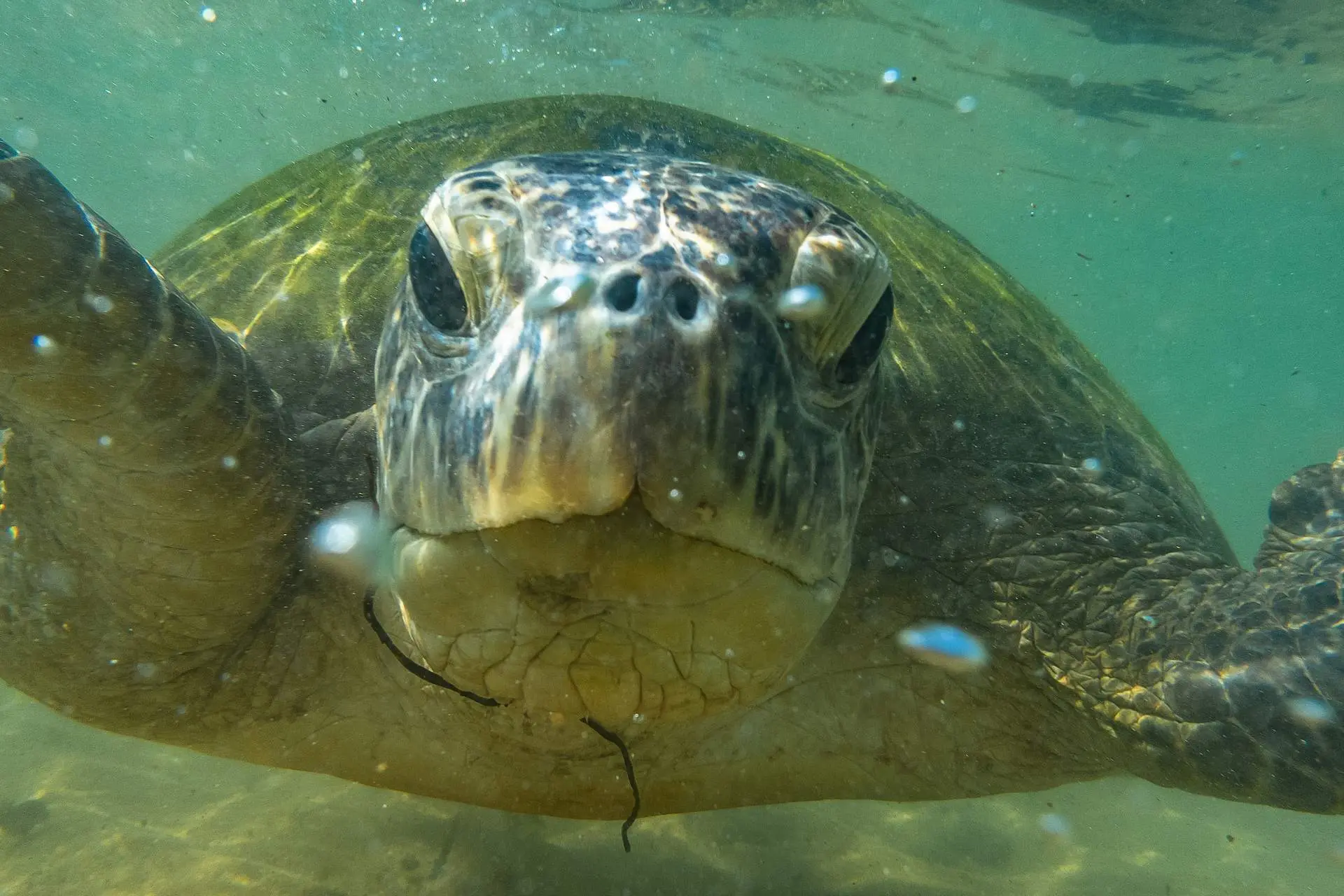
Expect sea turtles, reef sharks, rays, moray eels, tropical reef fish, occasional dolphins, and if lucky, whale sharks. Coral reefs host hundreds of colorful species.
Do I need diving certification for Sri Lanka?
Certification is required for most guided dives. However, "Discover Scuba" experiences allow supervised diving without certification. Snorkeling requires no qualifications.