
Tea Plantation Tours in Sri Lanka: Journey Through Ceylon's Famous Tea Country
Sri Lanka’s hill country tea plantations offer one of the most enchanting and quintessentially Sri Lankan experiences available to visitors. As one of the world’s leading tea producers, the island formerly known as Ceylon has built its reputation on producing some of the finest black tea in the world. Touring these emerald-carpeted highlands provides insight into tea cultivation, processing traditions, colonial heritage, and breathtaking mountain scenery that defines Sri Lanka’s central highlands.
The Legacy of Ceylon Tea
Tea arrived in Sri Lanka in the 1860s when Scottish planter James Taylor planted the first tea bushes in Kandy district after coffee blight devastated existing plantations. The industry flourished, and by the early 1900s, Ceylon tea had become synonymous with quality. Today, Sri Lanka ranks as the world’s fourth-largest tea producer, with plantations covering over 220,000 hectares across the central highlands. The term “Ceylon Tea” remains a protected geographical indication, representing tea grown exclusively in Sri Lanka.
Best Destinations for Tea Tourism
Nuwara Eliya
Nuwara Eliya, often called “Little England,” sits at 1,868 meters elevation in the heart of tea country. This colonial hill station retains its British heritage with tudor-style hotels, golf courses, and cool climate. Surrounded by countless tea estates including the famous Pedro and Lover’s Leap estates, Nuwara Eliya offers numerous plantation tour opportunities. The town serves as the epicenter of high-elevation tea production, where the finest Ceylon teas originate.
Ella
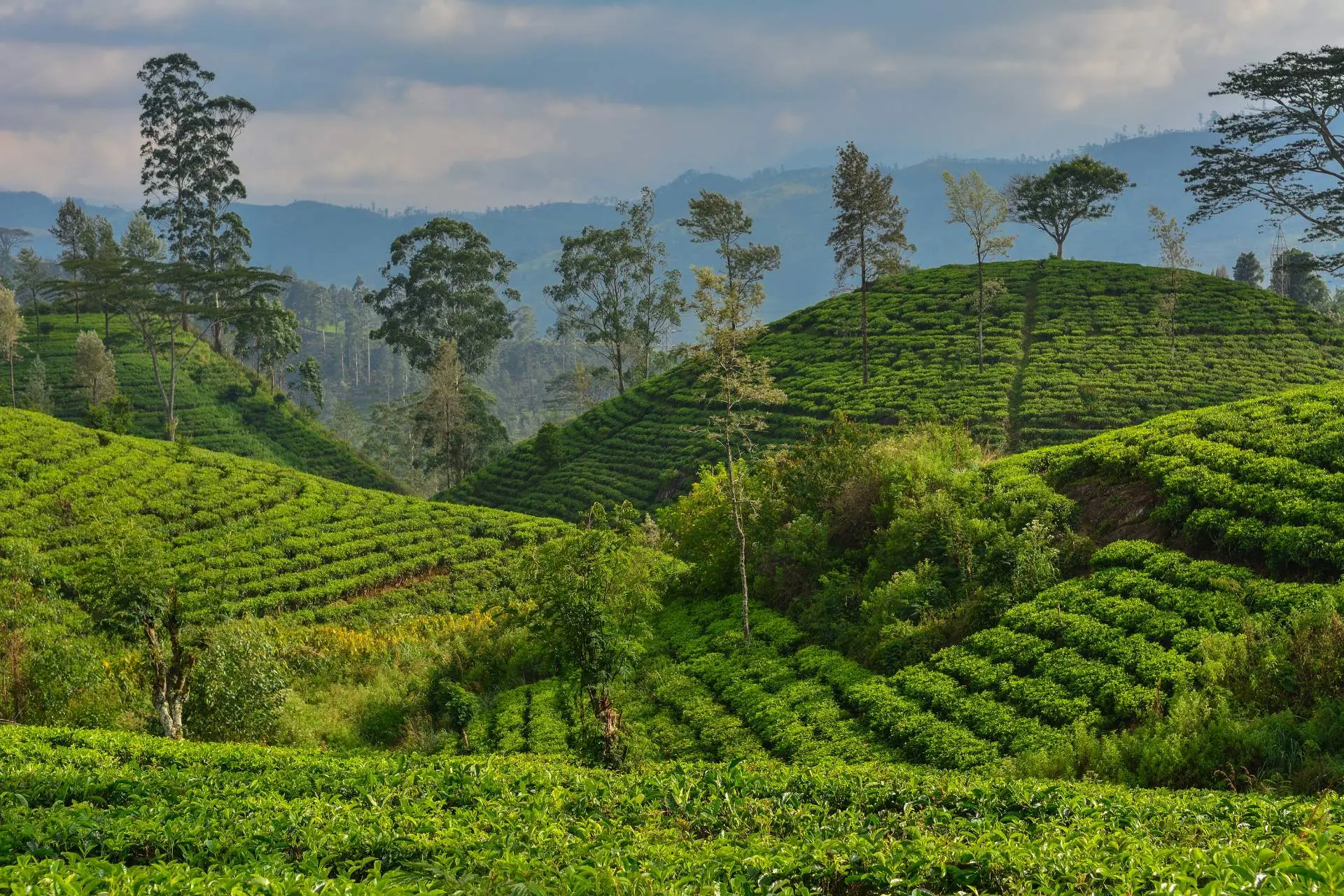
Ella combines stunning scenery with accessible tea tourism. Smaller than Nuwara Eliya but equally scenic, Ella’s terraced tea plantations cascade down mountainsides creating Instagram-worthy landscapes. The Halpewatte Tea Factory near Ella welcomes visitors for tours and tastings while providing panoramic valley views. The relaxed atmosphere and proximity to attractions like Ella Rock and Nine Arch Bridge make it ideal for combining tea tourism with adventure.
Haputale
Haputale offers a more off-beaten-path tea experience with dramatically scenic plantations clinging to steep mountainsides. The famous Lipton’s Seat viewpoint, established by tea baron Sir Thomas Lipton, provides 360-degree views across his former empire of tea estate son clear days, visibility extends to the south coast.
Kandy region
Kandy region, where Ceylon tea originated, hosts numerous estates including the historic Loolcadura Estate where James Taylor first cultivated tea. The slightly lower elevation and proximity to Kandy city make day trips convenient while maintaining authentic plantation experiences.
What to Expect on Tea Plantation Tours
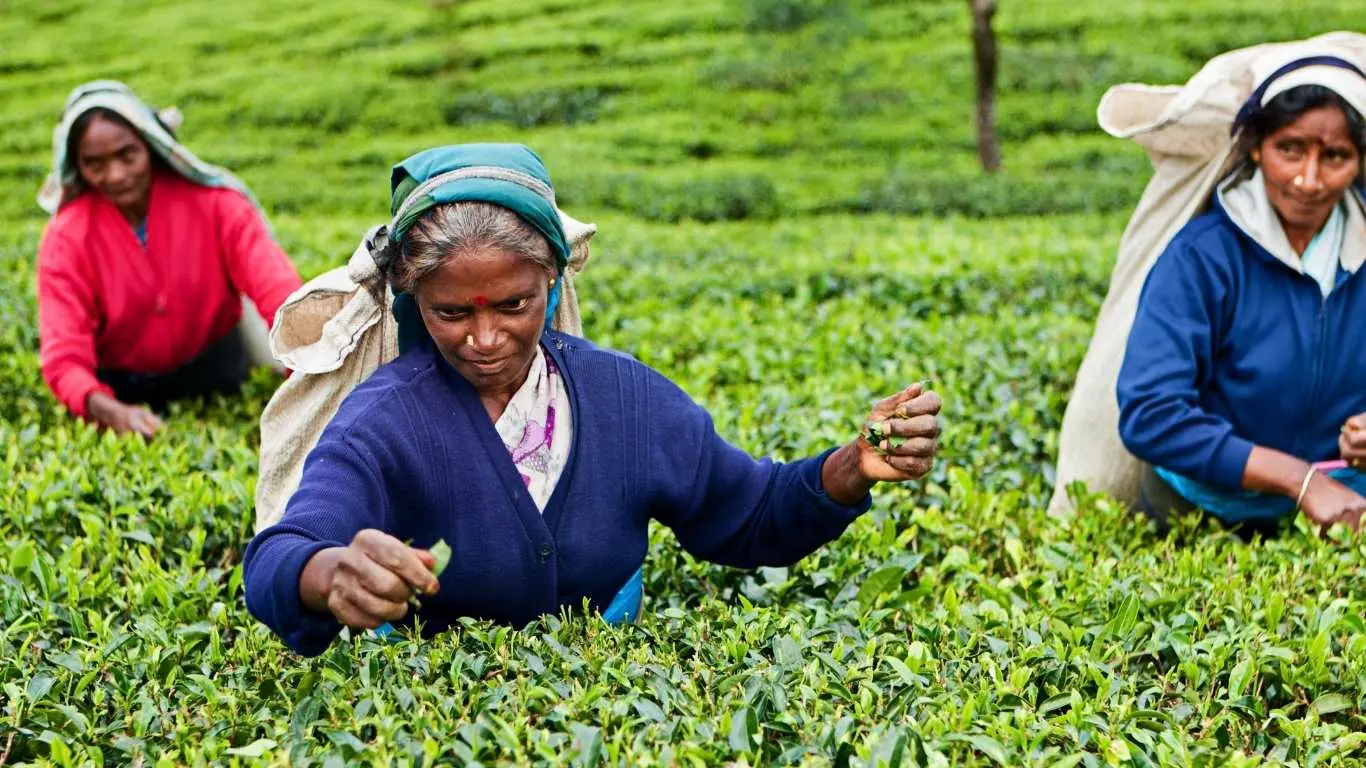
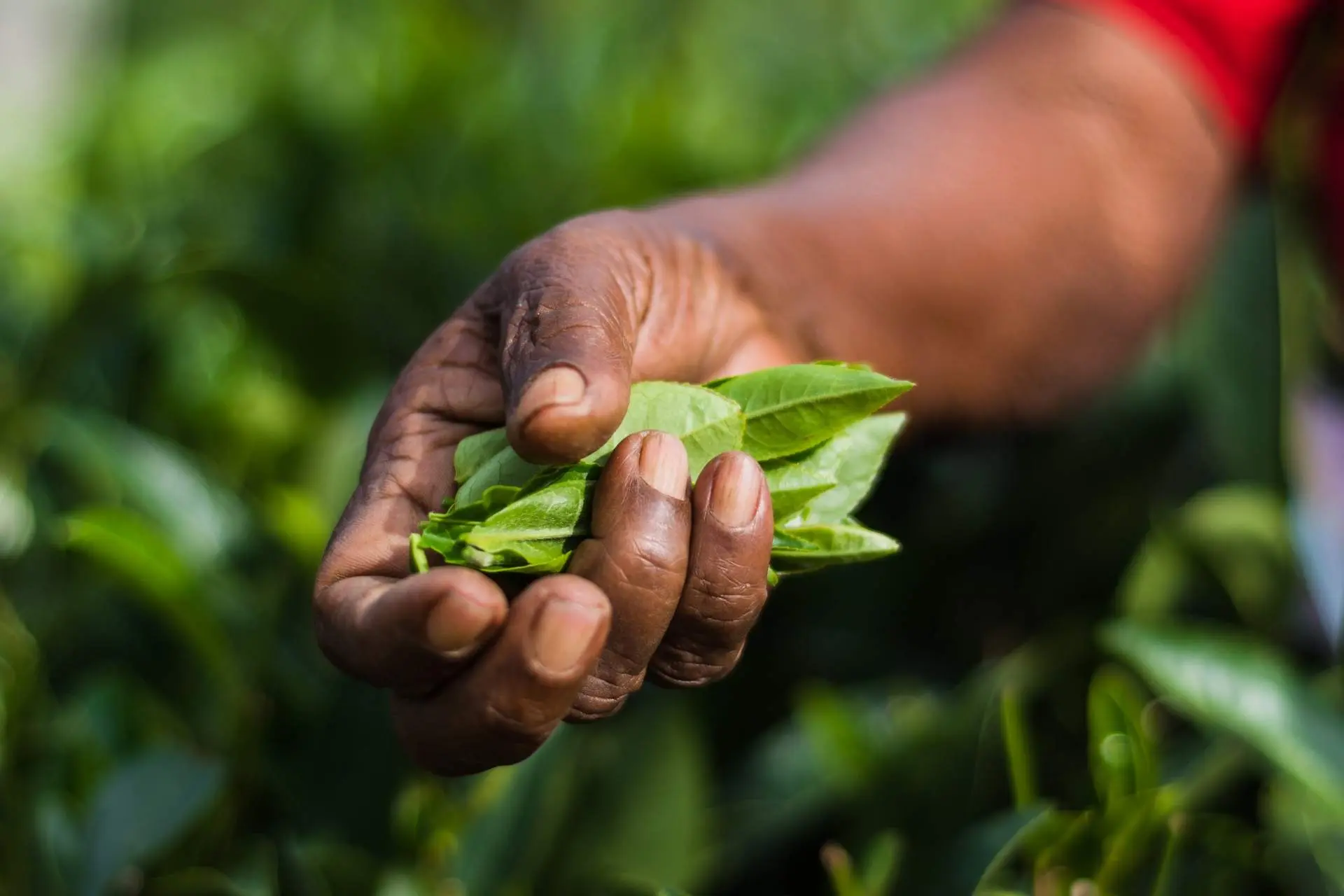
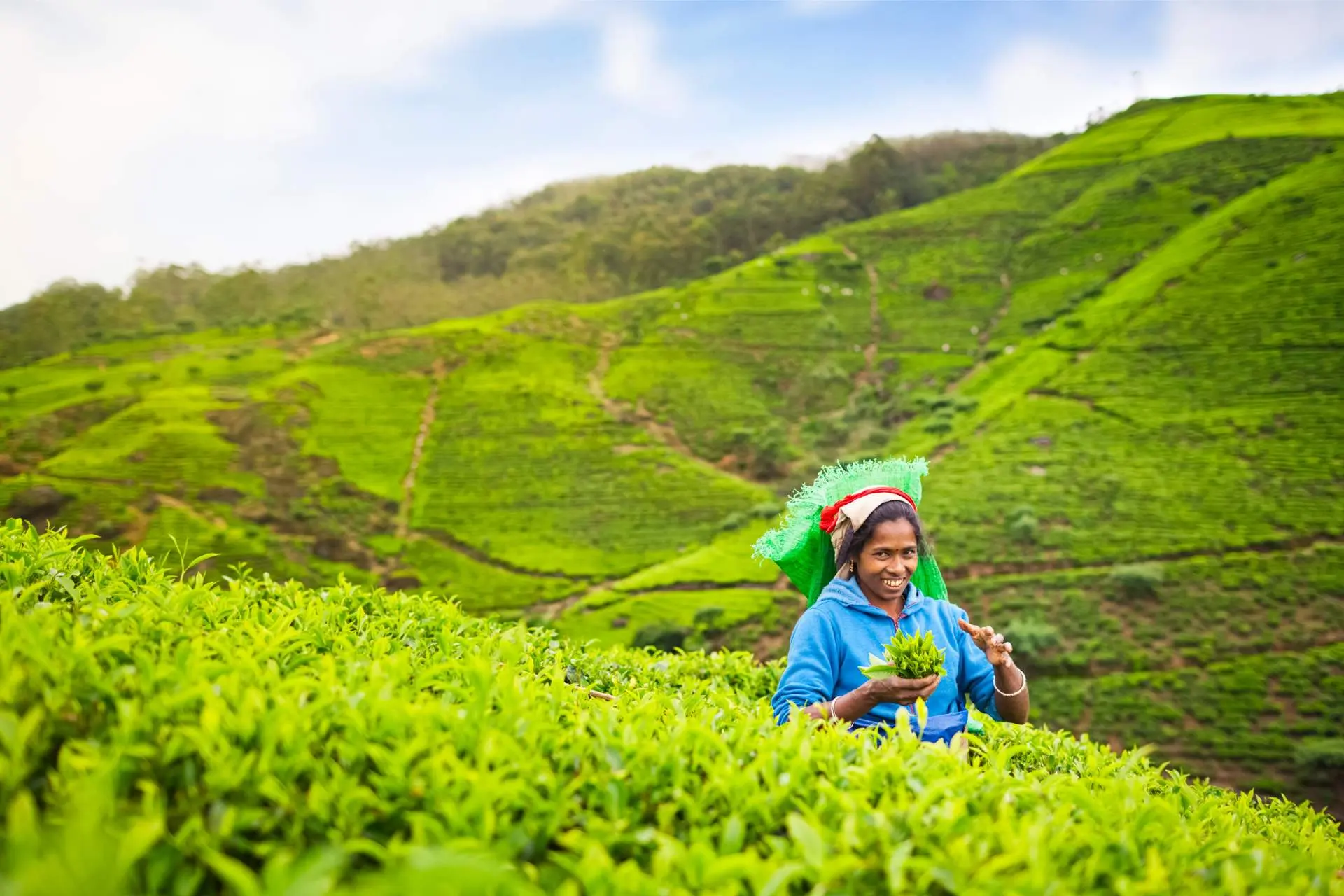
A typical tea estate tour begins with a guided walk-through manicured tea fields where you’ll observe Tamil tea pluckers, predominantly women wearing colorful saris, expertly selecting “two leaves and a bud”the optimal picking that defines quality tea. These skilled workers can harvest 15-20 kilograms daily, moving through rows with practiced efficiency that comes from generations of expertise.
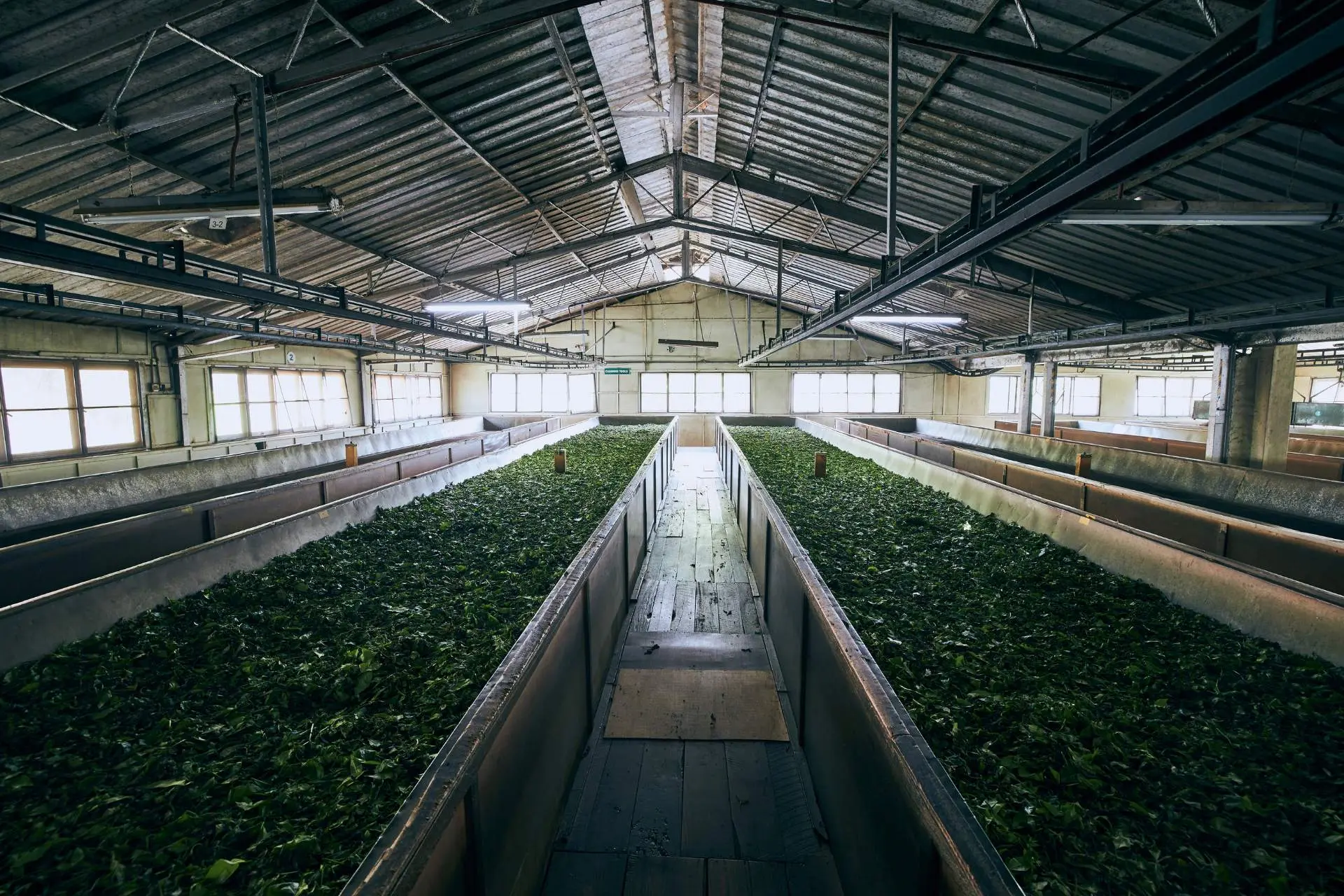
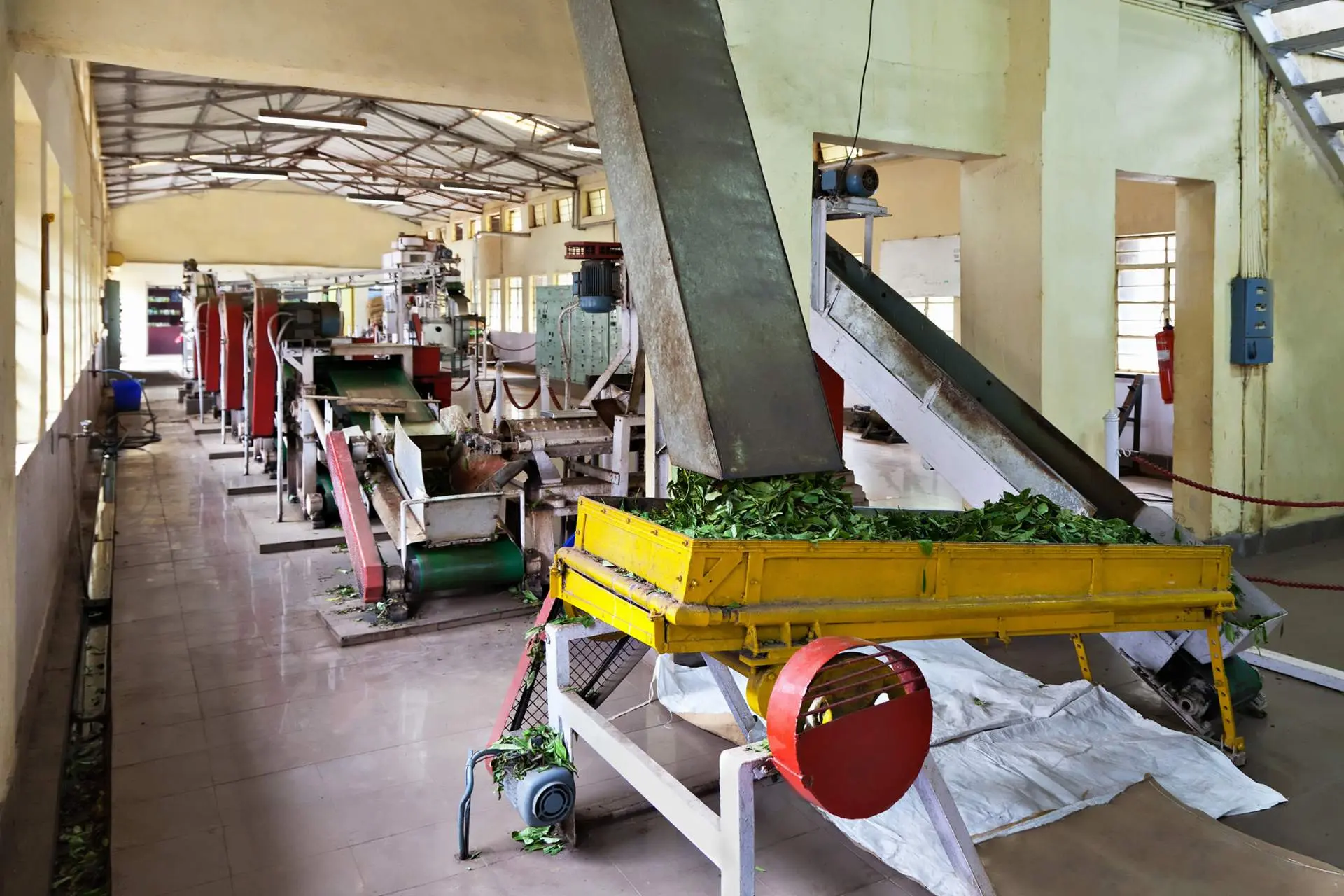
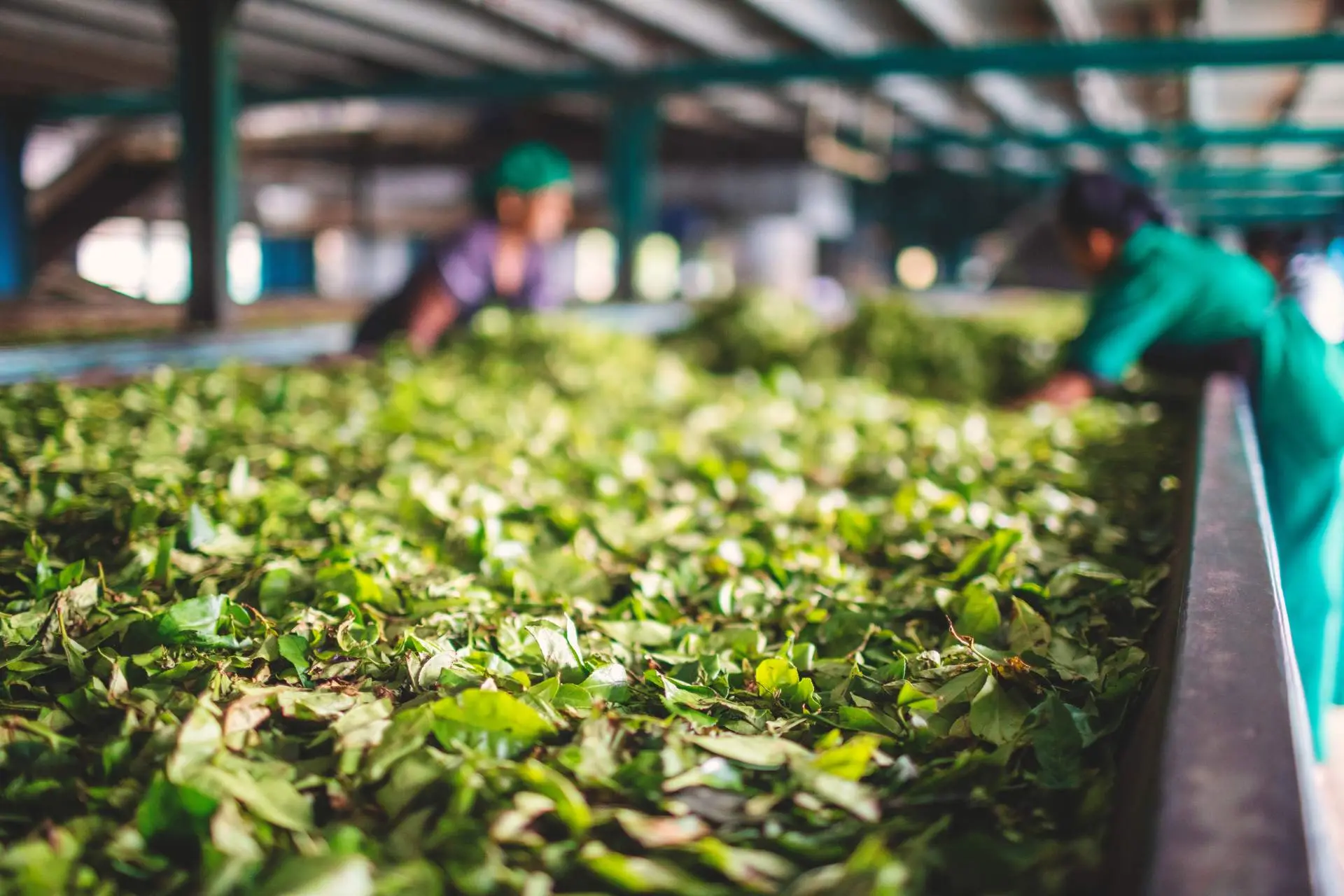
The tour proceeds to the processing factory where the transformation from leaf to beverage unfolds. You’ll witness withering, where fresh leaves lose moisture; rolling, which releases essential oils; oxidation (fermentation), giving black tea its character; and finally drying and sorting by grade. The rhythmic mechanical hum of vintage British machinery, much still operational from the early 1900s, provides atmospheric backdrop.
Tea Tasting Experience
Tours culminate with tea tasting sessions in scenic tasting rooms overlooking manicured gardens and mountain vistas. Expert guides explain the differences between Ceylon tea gradesfrom robust low-grown teas to delicate high-grown varieties. You’ll learn to appreciate subtle flavor notes, proper brewing techniques, and the influence of elevation on tea character. Most estates offer tea for purchase at factory prices, significantly lower than retail.
Best Time to Visit
Tea estates operate year-round, but January to March offers the clearest skies and best visibility for mountain views. The harvest season runs continuously, ensuring you’ll always see pluckers at work. Mornings provide optimal lighting for photography and cooler temperatures for comfortable walking.
Cultural Significance
Tea plantations represent significant cultural heritage. The Tamil community, originally brought from South India as indentured labor in the 19th century, continues living in estate “line rooms” and working the plantations. Their unique culture, Hindu temples, and traditions remain integral to hill country identity.
Planning Your Visit
Popular estates like the Pedro Tea Estate, Mackwoods Labookellie Tea Centre, and Damro Labookellie offer structured tours, while smaller family-run estates provide more intimate experiences. Tours typically last 45-90 minutes and cost $3-10 per person. Many estates welcome walk-in visitors, though contacting ahead ensures English-speaking guides are available.
The scenic train journey from Kandy to Ella or Nanuoya (for Nuwara Eliya) passes through endless tea plantations and ranks among the world’s most beautiful rail routesthe perfect complement to tea estate visits.
A tea plantation tour reveals the soul of Sri Lanka’s highlands, combining natural beauty, colonial history, and living culture into an essential hill country experience.
Frequently Asked Questions (FAQs)
Which is the best tea plantation to visit in Sri Lanka?
Mackwoods Labookellie near Nuwara Eliya and Pedro Tea Estate are the most popular. For a more intimate experience, Halpewatte Tea Factory near Ella offers excellent tours with stunning views.
How much does a tea plantation tour cost?
Most tea estate tours cost between $3-10 per person. Some estates offer free tours with the expectation of tea purchases, while premium experiences cost slightly more.
What is the best time to visit tea plantations?
January to March offers the clearest weather and best mountain views. However, tea estates operate year-round, and any time provides authentic experiences.
How long does a tea plantation tour take?
Standard tours last 45-90 minutes, including factory walk-through, plantation visit, and tea tasting session.
Can you stay at a tea plantation in Sri Lanka?
Yes, several colonial bungalows and estates offer accommodation, providing immersive experiences. Examples include Jetwing Warwick Gardens, Ceylon Tea Trails, and various boutique estate bungalows
What should I wear for a tea plantation tour?
Wear comfortable walking shoes and layers. Hill country weather can be cool, especially mornings and evenings. Bring a light jacket and rain protection.
What is Ceylon tea?
Ceylon tea refers specifically to tea grown in Sri Lanka (formerly Ceylon). It's known for bright, bold flavor and comes in various grades based on elevation and leaf size.
Where is the best tea grown in Sri Lanka?
The highest quality Ceylon tea comes from high-elevation estates (above 1,200m) in Nuwara Eliya, Dimbula, and Uva regions, producing delicate, aromatic teas.