
Sri Lanka Wildlife Safari: Encounter Elephants and Leopards in Their Natural Habitat
Sri Lanka’s national parks offer some of Asia’s most thrilling wildlife safari experiences, rivaling the famous reserves of Africa. Despite its compact size, this tropical island harbors an impressive concentration of biodiversity, including one of the world’s highest densities of leopards and large herds of Asian elephants roaming freely across diverse ecosystems.
Why Safari in Sri Lanka?
The island’s unique geographical position and varied climatic zones have created distinct habitats ranging from dry scrublands to lush rainforests, each supporting remarkable wildlife populations. Unlike African safaris where vast distances separate wildlife encounters, Sri Lanka’s national parks offer compact territories where animal sightings are frequent and diverse. The experience combines pristine wilderness with cultural richness ancient Buddhist temples and archaeological sites often lie within or adjacent to these protected areas.
Premier Safari Destinations
Yala National Park
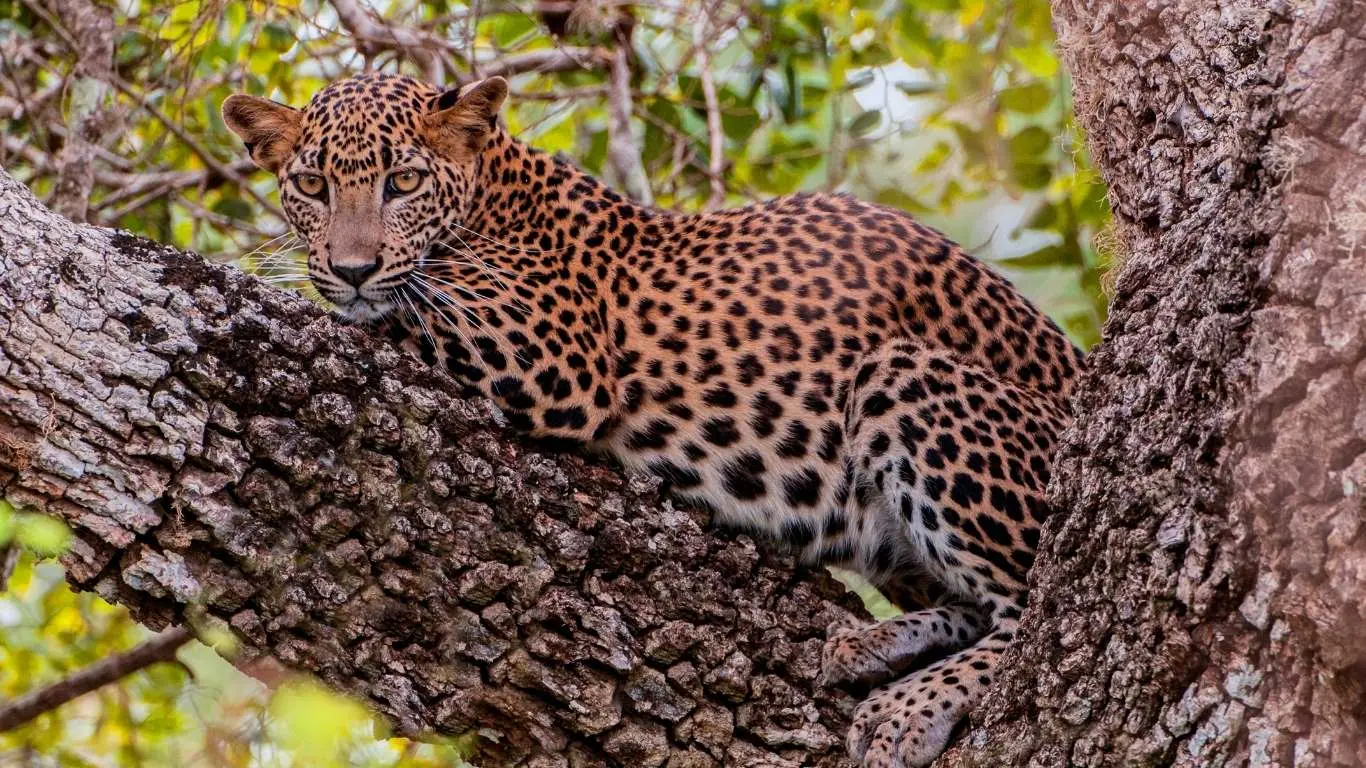
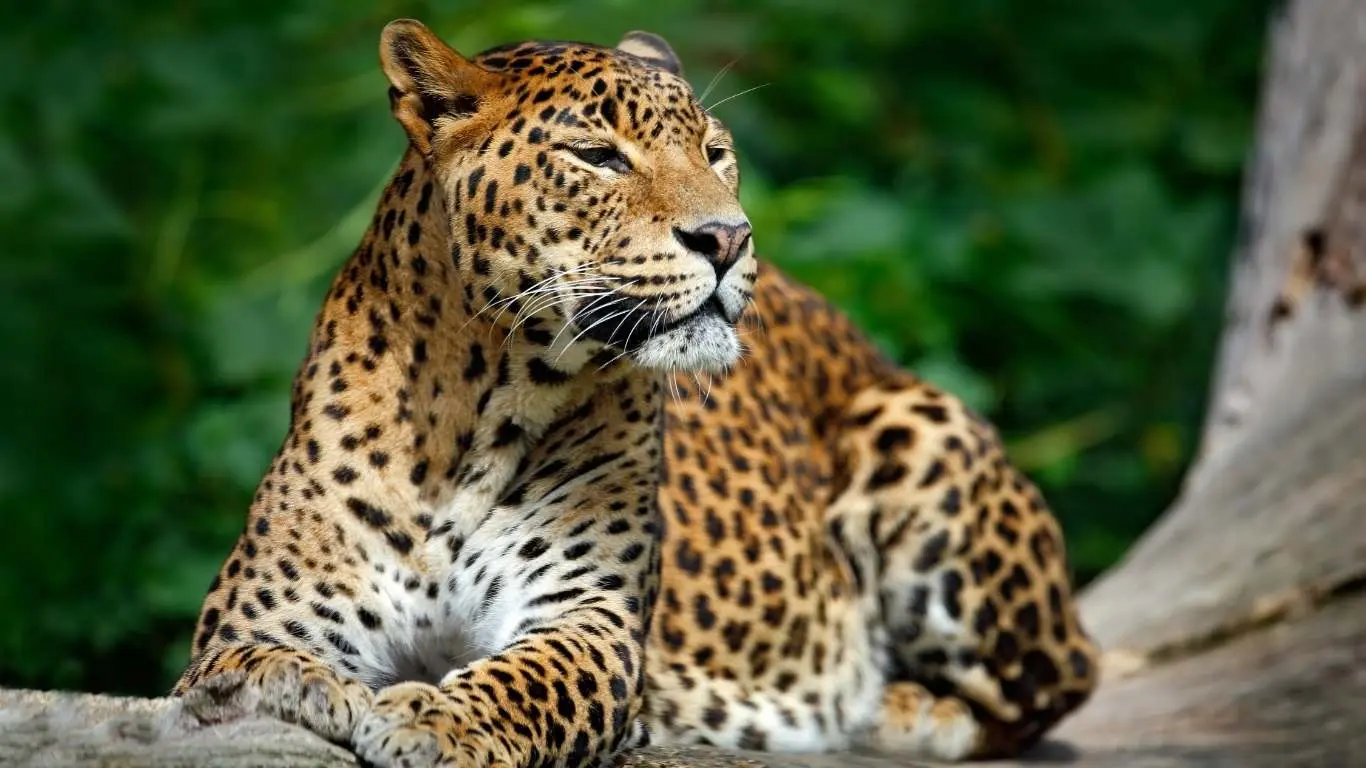
Yala National Park reigns as Sri Lanka’s most famous safari destination and boasts the world’s highest density of leopards. Located in the southeast, Yala’s 979 square kilometers encompass scrub jungle, grasslands, lagoons, and beaches. Block 1, the most visited section, offers exceptional leopard sighting opportunities some visitors spot multiple leopards in a single morning safari. Beyond leopards, Yala hosts approximately 400 resident elephants, sloth bears, crocodiles, wild buffalo, and over 215 bird species. The park operates year-round except during September’s drought break when Block 1 closes for maintenance.
Udawalawe National Park
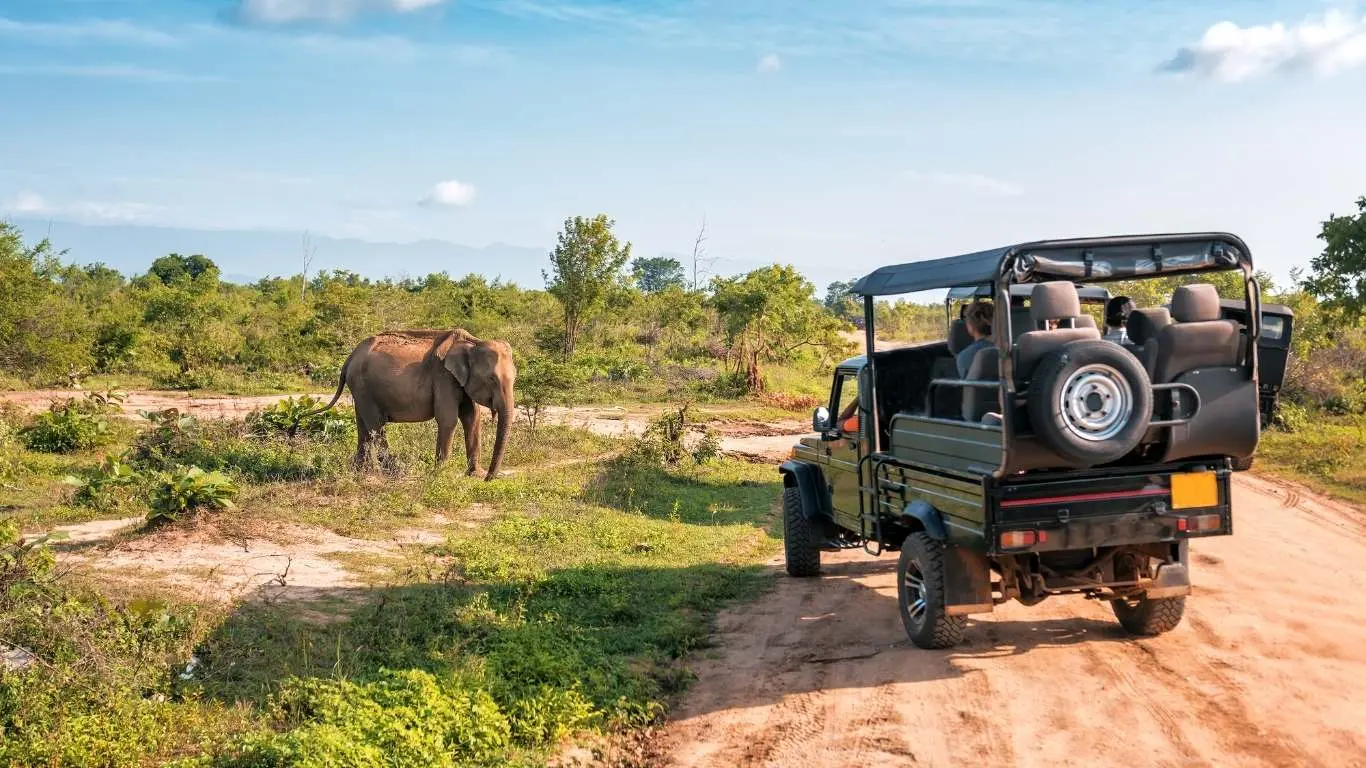
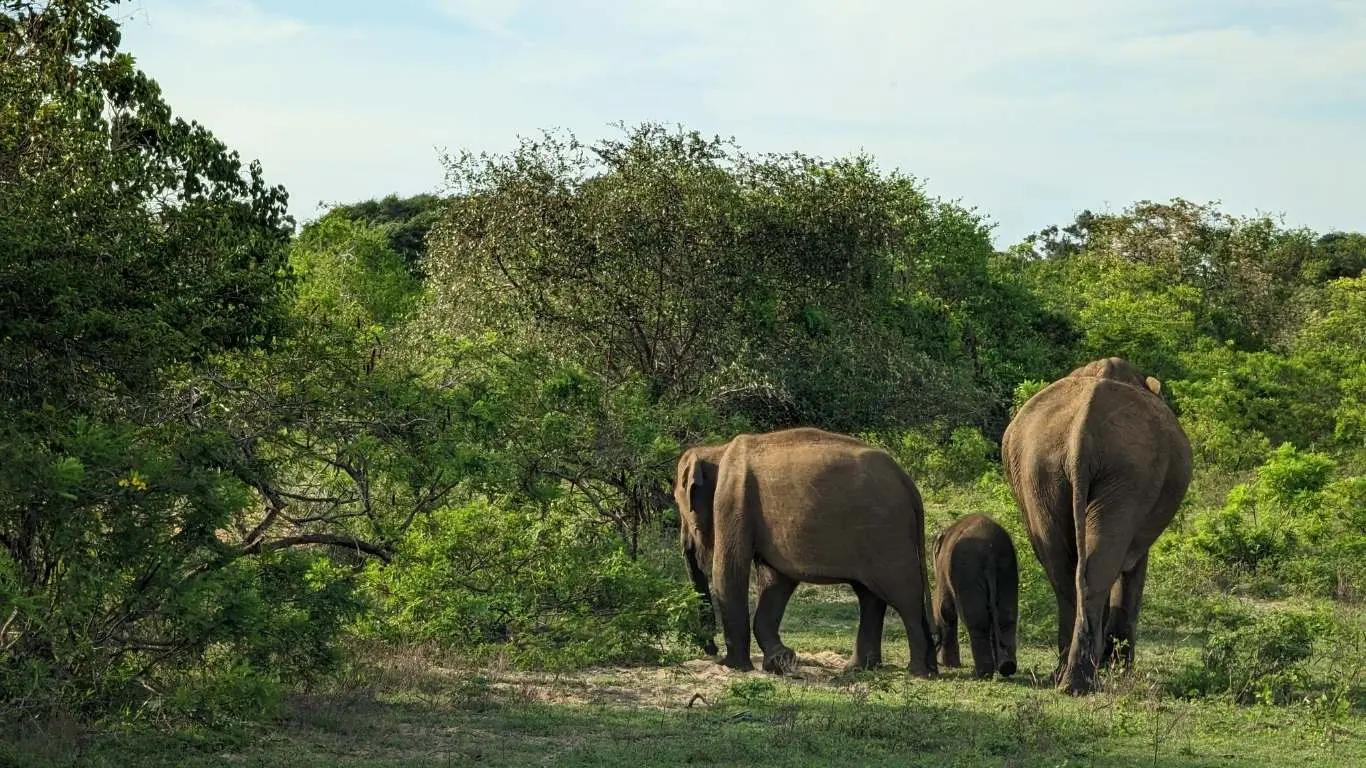
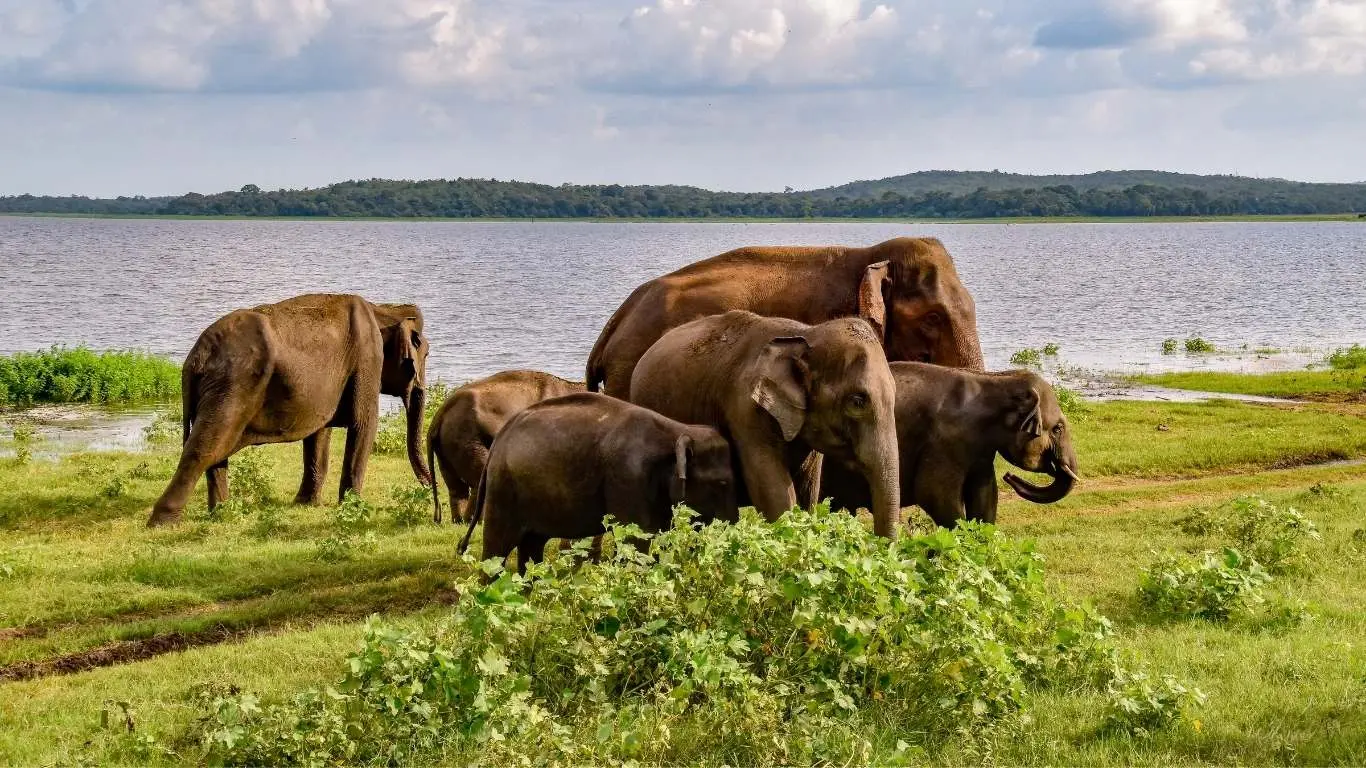
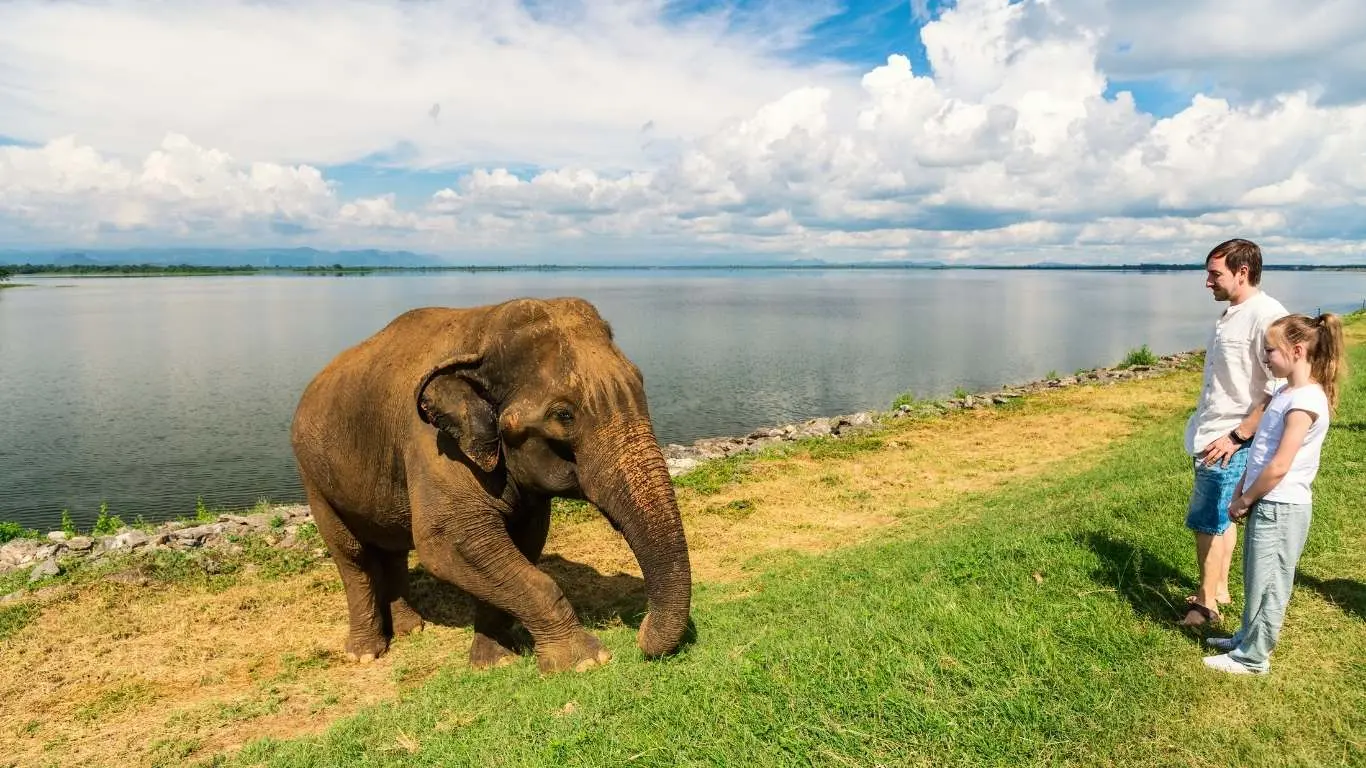
Udawalawe National Park is the elephant paradise of Sri Lanka. Centered around the scenic Udawalawe Reservoir, this park provides arguably the best elephant viewing in Asia. Herds ranging from 10 to 100+ individuals roam the open grasslands, making spotting easy. Unlike the dense jungle of other parks, Udawalawe’s savanna-like landscape offers excellent visibility and photography opportunities. The park is home to approximately 500 elephants, and sightings are virtually guaranteed on every safari.
Wilpattu National Park
Wilpattu National Park, Sri Lanka’s largest protected area, offers a more remote and exclusive safari experience. Located in the northwest, Wilpattu features unique “villus” (natural lakes) scattered throughout dense forest. This park has lower visitor numbers than Yala, providing a more authentic wilderness experience. Leopards, elephants, sloth bears, and the endemic Sri Lankan axis deer thrive here. The park reopened in 2010 after closure during the civil conflict and remains relatively undiscovered.
Minneriya and Kaudulla National Parks
Minneriya and Kaudulla National Parks in the Cultural Triangle region are famous for “The Gathering “one of the world’s greatest wildlife spectacles occurring during dry season (July-September). Hundreds of elephants congregate around ancient reservoirs built by Sri Lankan kings over 1,700 years ago. Watching 200-300 elephants interact, bathe, and feed simultaneously is truly awe-inspiring.
Safari Experience and Logistics
Safaris typically occur during early morning (5:30-9:30 AM) and late afternoon (2:30-6:30 PM) when animals are most active. Tours utilize sturdy 4×4 jeeps, usually accommodating 6-8 passengers plus a driver and tracker. Duration is usually 3-4 hours, though full-day safaris are available in larger parks like Yala.
Professional trackers possess intimate knowledge of animal movements and behaviors, significantly increasing sighting success rates. Many have spent decades in these parks and can identify individual leopards by their spot patterns. Their expertise transforms a simple game drive into an educational wildlife experience
What You’ll See
Beyond the star attractions of leopards and elephants, Sri Lanka’s parks teem with diverse wildlife. Sloth bears forage in the early morning, massive crocodiles bask on riverbanks, and wild boars root through undergrowth. Sambar deer, spotted deer, and wild buffalo graze in open areas. Birdwatchers can spot endemic species like the Ceylon junglefowl, painted stork, and numerous raptors.
Best Time for Safari
Dry season (May-September) offers optimal wildlife viewing as animals congregate around water sources. However, safaris operate year-round with each season offering unique advantages. The lush greenery after monsoons provides spectacular scenery and fewer crowds, though animals disperse more widely.
Choosing Your Safari
Book through reputable operators who employ trained guides and maintain well-equipped vehicles. Half-day safaris suit time-constrained travelers, while wildlife enthusiasts should consider multiple safaris across different parks to maximize species encounters. Private jeeps offer flexibility and better photography opportunities compared to shared vehicles.
A Sri Lankan safari delivers intimate wildlife encounters within stunning natural settingsan unmissable experience for nature lovers visiting this remarkable island.
Frequently Asked Questions (FAQs)
What is the best national park for leopards in Sri Lanka?
Yala National Park Block 1 has the world's highest density of leopards, offering the best chances of sighting these elusive cats. Early morning safaris increase success rates.
Which park is best for seeing elephants?
Udawalawe National Park offers the best elephant viewing experience with almost guaranteed sightings of large herds in open grassland settings.
How much does a safari cost in Sri Lanka?
Safari costs vary by park and group size. Expect $40-$80 per person for shared jeep safaris, while private jeeps cost $100-$200 total depending on the park and operator.
What time are safaris conducted?
Safaris operate during early morning (5:30-9:30 AM) and late afternoon (2:30-6:30 PM) when animals are most active and temperatures are cooler.
Can we see sloth bears on safari?
Yes, sloth bears inhabit Yala and Wilpattu National Parks. They're most commonly spotted during early morning safaris, especially during fruiting seasons.
Is it safe to go on safari in Sri Lanka?
Yes, safaris are very safe. You remain in vehicles at all times, and experienced guides know animal behavior and maintain safe distances. Follow guide instructions always.
What should I bring on safari?
Bring sun protection, hat, binoculars, camera with telephoto lens, water, and neutral-colored clothing. Avoid bright colors and perfumes that may disturb wildlife.
How long does a safari last?
Standard half-day safaris last 3-4 hours. Full-day safaris in larger parks can extend to 6-8 hours with breaks.